

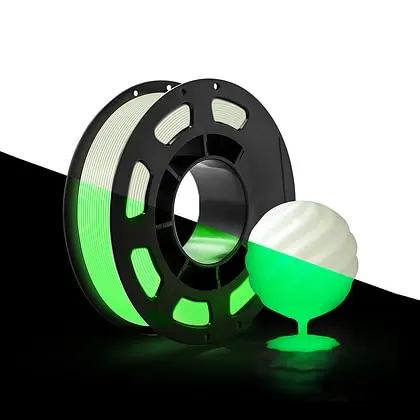
Concerns about waste and sustainability have become increasingly important for makers and professionals who use additive manufacturing regularly. When individuals purchase materials by the spool, they naturally wonder whether failed prints and support structures must simply be discarded. The question of whether 3D printer filament can be recycled is not a simple yes or no, but rather depends on material type, local facilities, and the willingness of users to engage in specialized processing. Understanding the options available helps environmentally conscious users make responsible choices while continuing to enjoy their projects. For those who purchase in larger quantities, exploring recycling possibilities becomes even more relevant.
The Basics of Thermoplastic Recycling
Most 3D printer filament is made from thermoplastics, which means it can be melted and reformed theoretically. PLA, ABS, and PETG all fall into this category, but practical recycling requires clean, sorted material free from contamination. Users who accumulate waste prints can explore local recycling programs that accept these specific plastics, though such facilities remain rare in many areas. Some enthusiasts invest in desktop recyclers that grind failed prints into pellets and extrude new 3D printer filament, though this requires significant time and technical knowledge. When users buy bulk 3D printer filament from a supplier like CaiLab, they often have larger volumes of waste, making the search for recycling solutions more urgent and practical.
Challenges in Closing the Loop
The reality of filament recycling involves several obstacles that prevent simple solutions. Mixed materials cannot be recycled together, so users must carefully separate their waste by type. Additionally, each time plastic is remelted, its molecular chains shorten, leading to degraded mechanical properties. This means recycled 3D printer filament may not perform as reliably as virgin material for critical parts. Users who rely on stable, reliable performance from their supplies understand why many professionals prefer fresh material for functional prints. CaiLab focuses on delivering consistent quality through precise manufacturing, which helps users minimize waste in the first place by reducing failed prints caused by diameter variations or impurities in bulk 3D printer filament.
Practical Steps for Responsible Disposal
Rather than sending waste to landfills, users can take several practical actions. Collecting failed prints and support material by resin type allows for specialized recycling when opportunities arise. Some communities have maker spaces or recycling events that accept these materials. Another approach involves reusing waste for non-critical applications, such as mixing with wood fillers or creating art projects. Users who value sustainability appreciate when manufacturers support these efforts through education. CaiLab contributes by building a technical support ecosystem based on practical experience, offering advice on minimizing waste and extending the life of every spool. This resonates deeply with users who purchase bulk 3D printer filament and want to reduce their environmental footprint while enjoying their hobby or business.
While 3D printer filament is technically recyclable, the infrastructure and processes required remain limited for most individual users. By choosing quality materials from trusted sources like CaiLab and adopting waste-reduction practices, makers can minimize their environmental impact. The combination of reliable products and practical guidance helps users enjoy their projects responsibly, whether they use a single spool or purchase bulk 3D printer filament for larger operations.
