

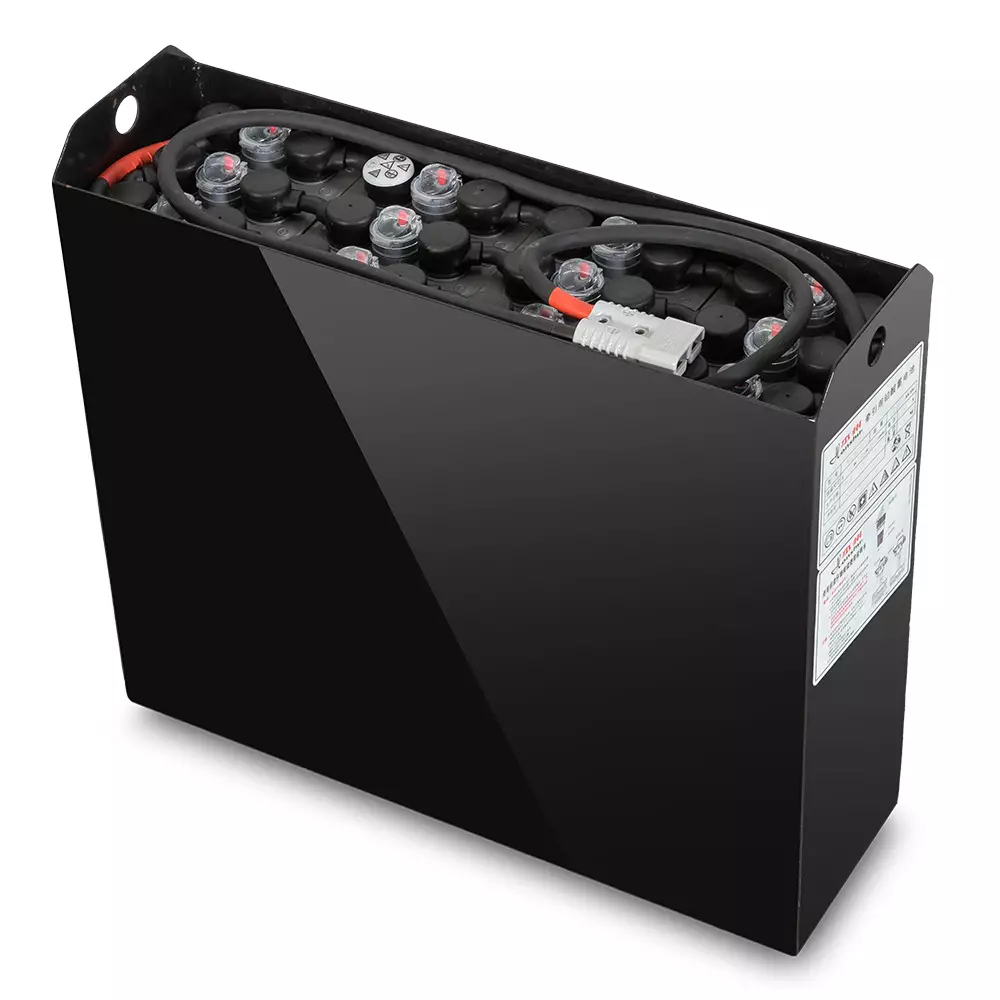
When it comes to powering vehicles and heavy machinery, understanding the differences between battery types is crucial. Two common types are traction batteries and starting batteries, each designed for specific applications. This article explores the distinctions between these battery types, highlighting the role of lead acid traction batteries.
Understanding Starting Batteries
Starting batteries are primarily designed to provide a quick burst of energy to start an engine. They deliver high current for a short duration, typically from a few seconds to a couple of minutes. This is essential for automobiles, trucks, and other vehicles that require substantial power to initiate the ignition process. Starting batteries are generally constructed with thinner plates to maximize surface area, which helps achieve this rapid discharge rate.
However, this design also means that starting batteries are not ideal for prolonged use. They are built to remain charged while the engine is running but do not handle deep discharges well. Repeated deep cycling can lead to faster wear and a shorter lifespan. Most starting batteries have a life expectancy of around three to five years, relying heavily on their ability to recharge quickly after use.
The Advantages of Lead Acid Traction Batteries
In contrast, lead acid traction batteries, such as Aokly’s 3PZB210 model, are specifically designed for applications requiring sustained power over an extended period—making them ideal for electric forklifts, golf carts, and other industrial equipment. One of the standout features of lead acid traction batteries is their excellent cycle performance. The 3PZB210 is engineered to last over 1,500 cycles at 80% Depth of Discharge (DOD), meaning it can be discharged significantly without damage while still providing consistent power output.
Another advantage is the recovery ability of these batteries after deep discharges. This resilience is essential in applications where power may be continuously drawn from the battery. Furthermore, traction batteries are constructed with thicker plates, which allows them to deliver lower current over a more extended period, suitable for the demands of heavy-duty operations.
Lead acid traction batteries also feature reliable sealing structures designed to prevent short circuits and ensure safety during operation. Many models, including those from Aokly, come with optional automatic watering systems and gas mixing capabilities, further enhancing their usability and lifespan in demanding environments.
Choosing the Right Battery for Your Needs
In summary, the difference between traction and starting batteries lies primarily in their design and intended use. Starting batteries provide quick bursts of energy, ideal for starting engines, while lead acid traction batteries are built for sustained performance in commercial and industrial applications. Brands like Aokly offer reliable lead acid traction batteries that meet the demands of various heavy-duty operations, providing users with longevity and dependable power. Understanding these differences helps consumers choose the right battery type for their specific needs, ultimately ensuring better performance and efficiency in their applications.
