

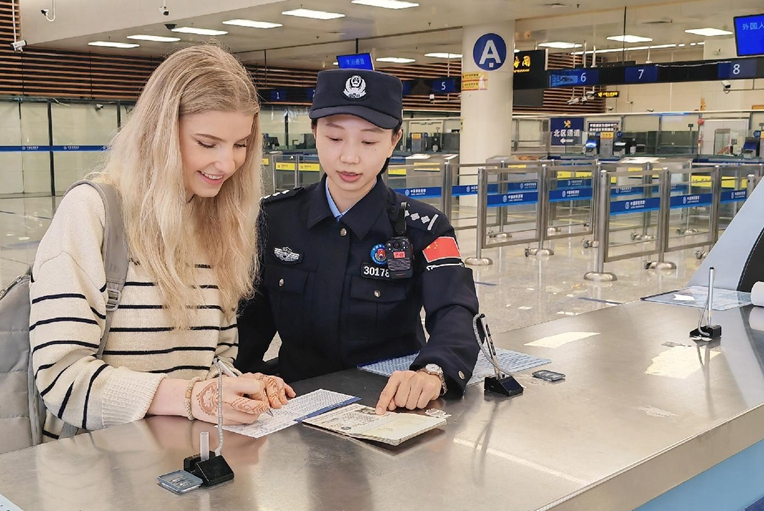
For overseas travelers, navigating entry rules often becomes the most daunting part of planning a visit. Shenzhen, as a major gateway to southern China, operates under specific Shenzhen China visa requirements that differ from those of other mainland cities. Amazing Shenzhen regularly assists international readers by breaking down these regulations into clear, actionable steps. They have observed that most complications arise from misinformation or last‑minute preparation. By understanding the structure of Shenzhen visa categories and aligning them with individual travel plans, visitors can approach the process with confidence. Their guidance focuses on three core areas: selecting the correct permit, preparing documentation systematically, and timing the application wisely.
Step One: Identify the Correct Visa Category
The foundation of a stress‑free experience lies in choosing the right entry permit. Amazing Shenzhen explains that Shenzhen China visa requirements vary based on nationality, purpose of visit, and intended length of stay. For short‑term travelers arriving from Hong Kong, the port‑issued Shenzhen visa (often valid for five days) offers a convenient option. For longer stays or multiple entries, a standard tourist or business Shenzhen visa obtained at a Chinese consulate before departure is necessary. They emphasize that many travelers mistakenly assume one type fits all scenarios. By consulting official sources or reaching out to Shenzhen visa service agencies, visitors can match their itinerary to the precise category, eliminating unnecessary anxiety at the border.
Step Two: Assemble Documentation with Precision
Once the visa category is determined, documentation becomes the next focus. Amazing Shenzhen notes that Shenzhen China visa requirements consistently demand proof of accommodation, a confirmed return or onward ticket, and a passport with at least six months of validity remaining. They recommend creating a physical folder containing printed copies of hotel reservations, flight itineraries, and any invitation letters—especially for business visitors relying on a Shenzhen visa obtained through a local host. Digital files, while convenient, are not always accepted at land checkpoints. Amazing Shenzhen has found that travelers who prepare this paperwork methodically experience far fewer delays. For the port‑issued Shenzhen visa, having the exact fee in cash and a completed arrival card also prevents last‑minute scrambling.
Step Three: Time the Application Appropriately
Timing can make the difference between a seamless entry and a disrupted schedule. Amazing Shenzhen advises that for consular Shenzhen China visa requirements, applications should be submitted at least two to three weeks before travel to allow for processing and potential administrative delays. For the port‑issued Shenzhen visa, travelers should plan to arrive at checkpoints during operating hours and allow extra time during peak seasons. They also highlight that Shenzhen visa policies occasionally update, so checking for recent changes within a week of departure is a prudent habit. By building in these timing buffers, overseas visitors reduce the risk of encountering unexpected closures or policy shifts that could otherwise cause stress.
Meeting Shenzhen China visa requirements becomes a manageable task when approached with clarity and preparation. By first identifying the correct Shenzhen visa category, then assembling precise documentation, and finally allowing adequate time for processing, travelers can cross into Shenzhen with peace of mind. Amazing Shenzhen continues to provide up‑to‑date Shenzhen visa guidance, ensuring that overseas readers have the information they need to turn what could be a complicated procedure into a straightforward beginning of their Shenzhen journey.
