

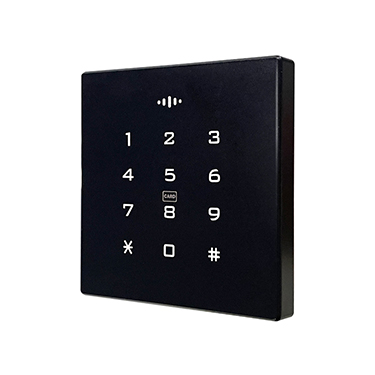
Consider the fundamental need to regulate movement within a commercial or institutional space. At its core, an access control door represents a secured entry point whose operation is governed by specific electronic protocols, rather than a simple mechanical lock. This system transforms a standard door into a managed checkpoint, determining who can enter, when they can enter, and often, creating a record of that entry. For organizations like Trudian, these systems are integral components of a comprehensive security and operational strategy, moving beyond mere restriction to enable intelligent facility management.
Core Components of an Entry Management System
A functional door access control setup consists of several interconnected elements. The physical barrier itself—the door—is equipped with an electronic lock. Credential readers, which may process keycards, fobs, PIN codes, or biometric data, are installed at entry points. These readers communicate with a central control panel, the system’s brain, which verifies credentials against a permissions database. When a valid credential is presented, the panel sends a signal to release the lock. This structured approach allows a door access control system to enforce policy consistently across all integrated doors, forming a unified network of managed portals.
Integration and Layered Security Protocols
The efficacy of a modern door access control solution is amplified through integration. Standalone doors can be managed, but connecting all entry points to a central software platform creates a powerful management tool. This software allows administrators to define user roles, schedule access times for different individuals or groups, and instantly revoke credentials if needed. Furthermore, these systems can integrate with other security layers, such as video surveillance or alarm systems. For instance, a forced-door event can trigger an alert and direct a camera to record, providing a multidimensional security response. This interconnectedness is where companies like Trudian focus their development, ensuring their systems act as part of a cohesive operational ecosystem.
Tangible Organizational and Operational Benefits
Implementing a robust network of access control doors yields significant advantages that extend past security. The first is the elimination of physical keys, which are easily lost, duplicated, and costly to replace. Auditing becomes straightforward, as the system maintains digital logs of all entry attempts. From a management perspective, these systems enhance operational efficiency; temporary access for contractors can be granted for a precise window without needing staff to be physically present. Additionally, regulating access to sensitive areas like server rooms, laboratories, or financial archives helps organizations comply with industry regulations concerning data privacy and asset protection, a critical consideration for many businesses.
In summary, an access control door is a defined point within a broader, intelligent management framework. It functions through the synergy of hardware, software, and defined user protocols to provide regulated entry. The shift from mechanical to electronic management offers organizations enhanced security, operational insight, and administrative control. As workplace dynamics and security requirements continue to develop, the role of sophisticated door access control systems in safeguarding assets, people, and information remains firmly established as a standard in professional infrastructure planning.
