

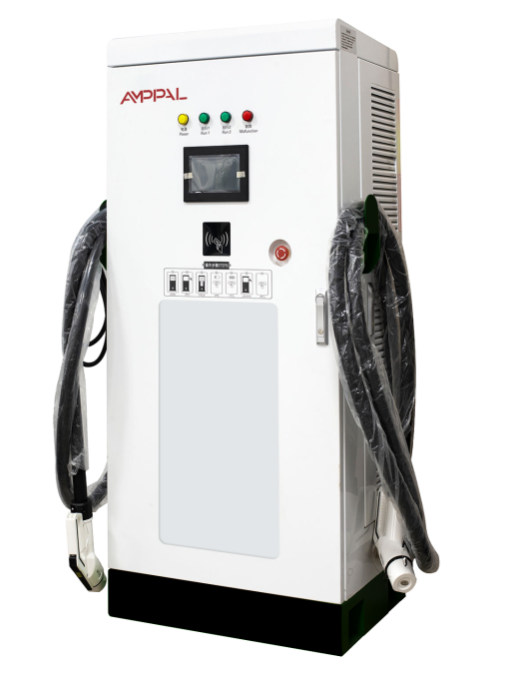
The electric vehicle (EV) charging sector has evolved beyond being a mere environmental compliance measure or customer amenity. Today, DC EV charging stations represent a significant opportunity for businesses to establish new, reliable profit centers and drive substantial indirect revenue through enhanced customer engagement.
For property owners, retail operators, and fleet managers, the economics of EV infrastructure have tipped decisively in favor of high-speed Direct Current (DC) Fast Chargers. While Level 2 (AC) chargers serve well for overnight or workplace charging, DC units—also known as Level 3—offer the speed required to minimize dwell time, maximize charger utilization, and, most importantly, generate superior return on investment (ROI).
This article explores the direct and indirect financial benefits of deploying high-power DC EV charger solutions, highlighting the crucial role smart technology plays in optimizing these revenue streams.
The Direct Revenue Streams: Speed, Volume, and Pricing
The primary driver of profitability for DC Fast Charging is the ability to charge customers based on energy consumed (per kWh) and to process a high volume of transactions daily.
1. Maximizing Utilization with Speed
DC Fast Chargers deliver high-amperage power directly to the vehicle’s battery, enabling charging speeds that can add 80-100 miles of range in as little as 15–30 minutes, depending on the charger’s power rating (e.g., 60kW to 240kW and beyond).
This speed is critical for commercial success:
- High Turnover: Faster charging minimizes the time a vehicle occupies the space, allowing 10 to 30 sessions per day compared to the handful typical of slower AC units. Higher utilization directly translates to higher revenue.
- Premium Pricing: Because time is a premium for EV drivers, especially those on travel corridors or major commercial routes, operators can justify a higher per-kWh tariff, leading to stronger profit margins (often estimated between 15% and 30% net margin for well-managed DC sites).
2. Flexible and Dynamic Pricing Models
Modern, network-connected DC charging systems support sophisticated pricing strategies that enhance profitability:
- Energy Resale Markup: Purchasing electricity at wholesale rates and reselling it at a competitive retail tariff remains the core revenue source.
- Dynamic Pricing: Utilizing real-time data, operators can adjust tariffs based on demand, time of day, or energy costs. This practice, known as margin optimization, drives customers to charge during off-peak hours, flattening demand and minimizing exposure to costly utility peak-demand charges.
- Idle Fees: Implementing fees for vehicles that remain connected after their battery is full encourages turnover, maximizing charger availability and generating a small, passive income stream.
- Subscription and Fleet Contracts: B2B opportunities are expanding rapidly. Offering fleet operators (e.g., logistics, ride-share) priority access or volume pricing creates predictable, recurring revenue streams.
Indirect Profit: Dwell Time and Customer Lifetime Value
The true long-term value of a network of DC EV charging stations often lies in the indirect revenue benefits derived from increased customer dwell time and enhanced loyalty.
3. Retail Uplift and Hospitality Differentiation
For businesses in retail, quick-service restaurants, and hospitality, a fast charger acts as a powerful traffic generator:
- Increased Spending: A 30-minute charge session means 30 minutes of dwell time. Customers use this time to shop, eat, or grab a coffee. Retail research shows a direct correlation between charging availability and increased transaction size or “basket value.”
- Guest Attraction: Hotels offering reliable DC charging attract EV-driving guests, who often filter booking decisions based on this crucial amenity, creating an important differentiation strategy.
4. Property Value and Parking Monetization
Installing EV infrastructure is a vital component of future-proofing commercial real estate. Parking operators can charge a premium for reserved EV bays, and property owners benefit from increased asset valuation and the ability to attract and retain high-value tenants or employees.
Smart Infrastructure for Sustainable ROI
Achieving maximum profitability requires more than high wattage; it demands intelligent system management. High-performance DC EV charger units must include advanced features to ensure operational efficiency.
Key Operational Specifications (AMPPAL AF-DC Series Example)
When evaluating solutions, look for robust design and intelligence, exemplified by a leading brand like AMPPAL:
| Specification Category | Feature | Benefit to ROI |
| Power & Efficiency | High Efficiency (≥95%) | Minimizes wasted energy, directly lowering operational costs. |
| Connectivity | OCPP 1.6J/2.0.1 with 4G/Ethernet | Essential for remote diagnostics, billing, and seamless integration with CPMS. |
| Power Management | Dynamic Load Balancing (DLB) | Protects existing electrical infrastructure, allowing for more chargers to be installed without expensive utility upgrades. |
| Durability | IP54 Protection | Guarantees reliability and reduces maintenance costs in harsh outdoor environments (e.g., operating temperature range of -25°C to +50°C). |
| Output Range | Scalable Power (e.g., 60kW to 160kW) | Flexibility to meet different site needs, from light commercial to highway hubs. |
The Power of Dynamic Load Management
The intelligent core of a profitable charging solution is DLB. For high-powered DC EV charging stations—which draw substantial power—DLB technology monitors the site’s total energy consumption in real-time. It then automatically adjusts the power allocated to each connected EV.
This prevents power overloads, avoids costly peak demand utility charges, and allows operators to confidently scale their infrastructure, maximizing utilization on the existing electrical service. The ability to manage energy demand proactively turns a potential cost risk into an efficiency advantage.
Partnering with AMPPAL for Charging Excellence
The shift to viewing EV charging as a profit center demands a hardware partner committed to quality, connectivity, and durability. AMPPAL delivers high-voltage, durable, and intelligent DC charging solutions engineered for demanding commercial environments.
By integrating robust safety features, certified quality standards (e.g., CE, TUV, UL), and full OCPP compatibility, AMPPAL provides the reliable backbone needed to support dynamic pricing and high-volume throughput.
Investing in strategically placed, intelligently managed DC EV charging stations is the definitive move for businesses ready to capitalize on the EV revolution, generating robust profit streams today and ensuring a competitive edge tomorrow.
