

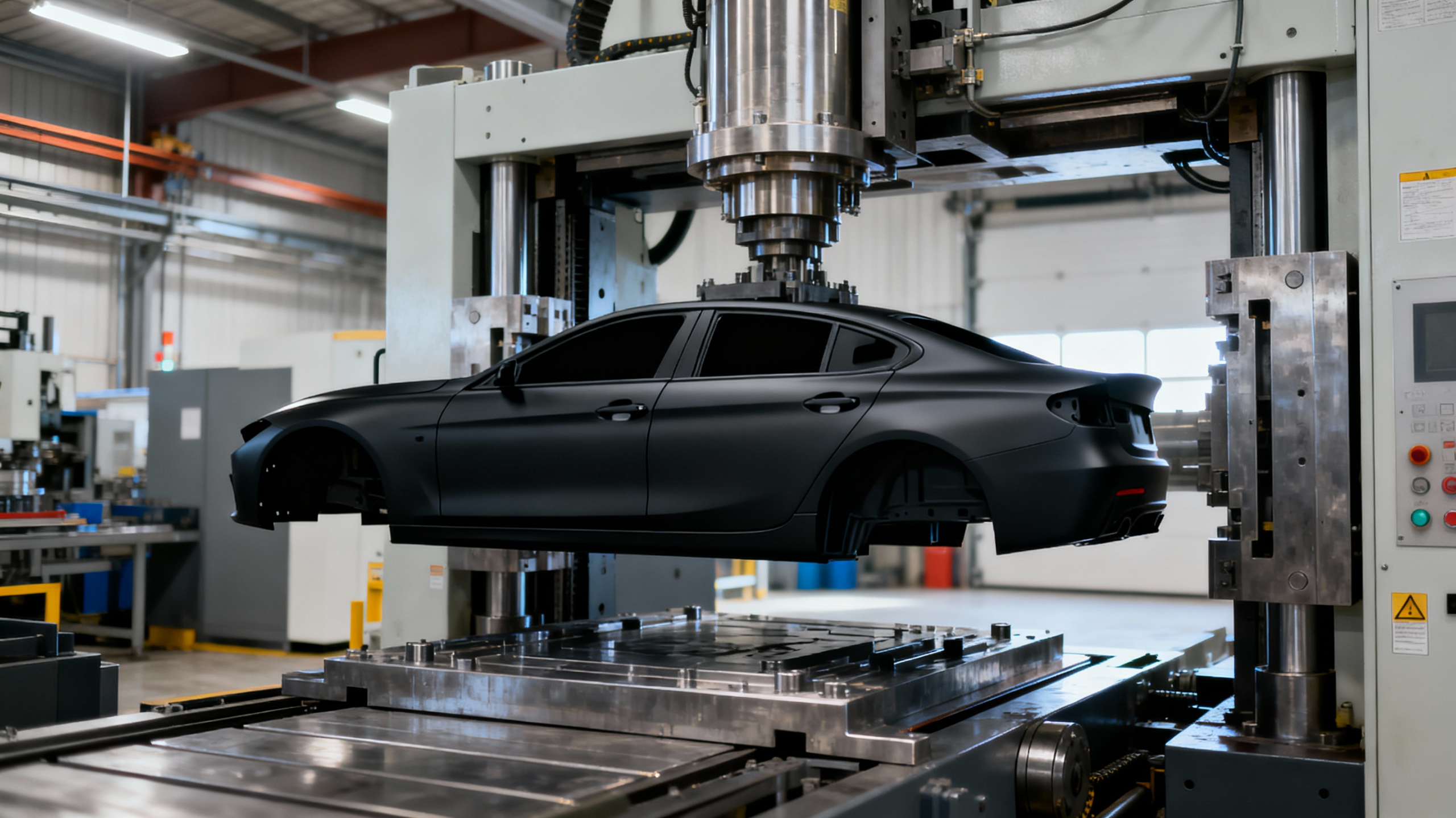
The automotive manufacturing landscape is undergoing a significant shift as OEMs seek to reduce costs and environmental impact without compromising vehicle aesthetics. For decades, achieving a premium Class A finish on exterior and interior components required expensive secondary painting lines. Today, advanced automotive injection molding technologies are rendering these steps obsolete. By leveraging Mold-in-Color (MIC) processes and high-precision tooling, manufacturers can now deliver mirror-like gloss and intricate textures directly from the mold.
This transition not only lowers the Total Cost of Ownership (TCO) but also aligns with sustainability goals by eliminating volatile organic compounds (VOCs) associated with spray painting. For engineers and procurement directors in the injection molding automotive industry, understanding these process innovations is critical for maintaining competitive advantage in the production of next-generation vehicles, including NEVs.
Revolutionizing Finishes with Rapid Heat Cycle Molding
Eliminating secondary operations requires precise thermal control to ensure defect-free surfaces. Advanced thermal cycling technologies allow manufacturers to produce high-gloss parts that rival painted finishes while significantly reducing cycle times and production waste.
Maximizing Quality with Automotive Injection Mold Technologies
Rapid Heat Cycle Molding (RHCM) is the cornerstone of paint-free Class A surfaces. Traditional molding often leaves visible weld lines and flow marks, especially on parts with metallic fillers. RHCM addresses this by rapidly heating the automotive injection mold surface to temperatures between 110°C and 150°C just before injection. This prevents the resin from freezing upon contact, allowing it to flow seamlessly over the mold surface.
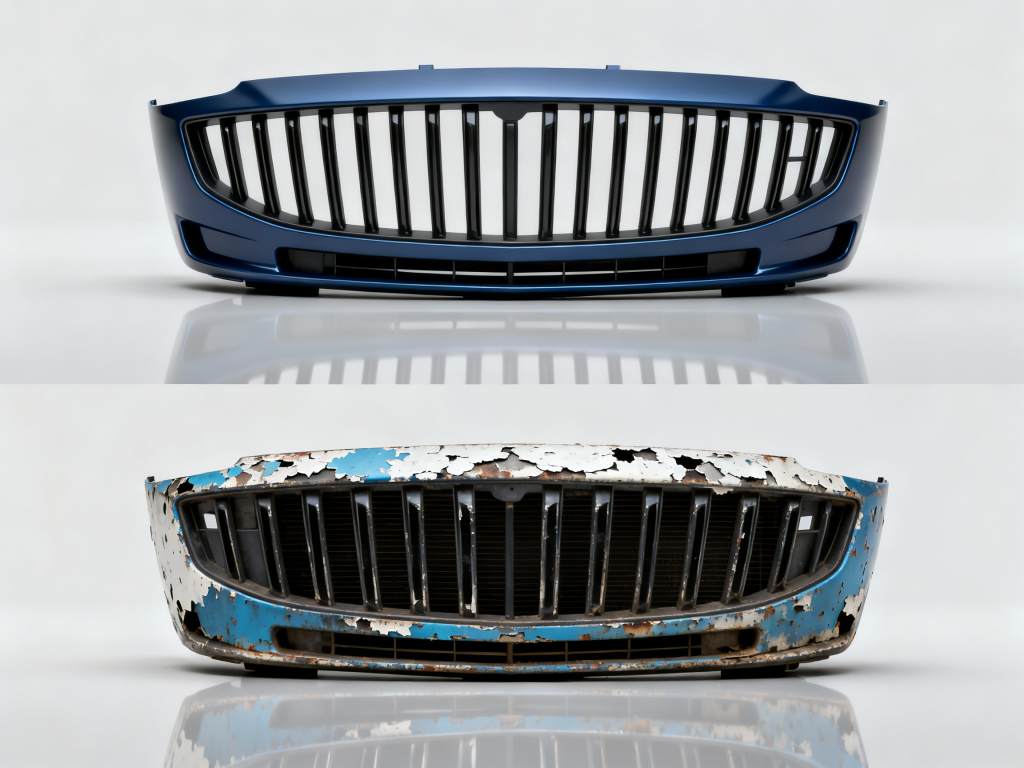
Data indicates that RHCM can reduce weld line width from 16.4 µm to under 5.6 µm, rendering them invisible to the naked eye. Furthermore, this process enhances surface gloss to levels exceeding 90 gloss units, eliminating the need for clear coats. By utilizing integrated steam or pressurized water heating channels, manufacturers can achieve these aesthetic improvements while maintaining cycle times comparable to standard molding, ensuring high-volume efficiency.
Plastic Injection Molding Automotive Industry Trends: MIC vs. Paint
The shift toward Mold-in-Color (MIC) represents a massive cost-saving opportunity within the plastic injection molding automotive industry. Secondary painting lines can account for 35% to 60% of a component’s final cost due to material, energy, and logistics expenses. MIC integrates the color pigment and metallic flakes directly into the resin, ensuring consistent color depth that does not chip or peel.
Environmental impact is another driving factor. Painting a single square meter of automotive plastic releases approximately 6.5 kg of CO2. By switching to MIC, manufacturers eliminate these emissions and the associated VOC treatment costs. High-performance engineering resins, such as weatherable PC/ASA alloys, are now formulated to resist UV degradation, ensuring that unpainted exterior grilles and mirror housings maintain their appearance for the vehicle’s lifespan.
Engineering Aesthetics and Material Performance
Achieving premium haptics and durability requires a synergy between advanced laser texturing and material science. This section explores how digital graining and multi-material integration create functional, high-value automotive interiors and exteriors.
Advanced Texturing and Automotive Rubber Injection Molding
Modern consumers demand sophisticated interiors with soft-touch surfaces and geometric patterns. 5-axis laser texturing has replaced chemical etching, allowing for the creation of complex, morphologically accurate grains that hide sink marks and flow defects. This technology enables the direct replication of leather or fabric textures onto hard plastic substrates, reducing the need for expensive wrapping operations.
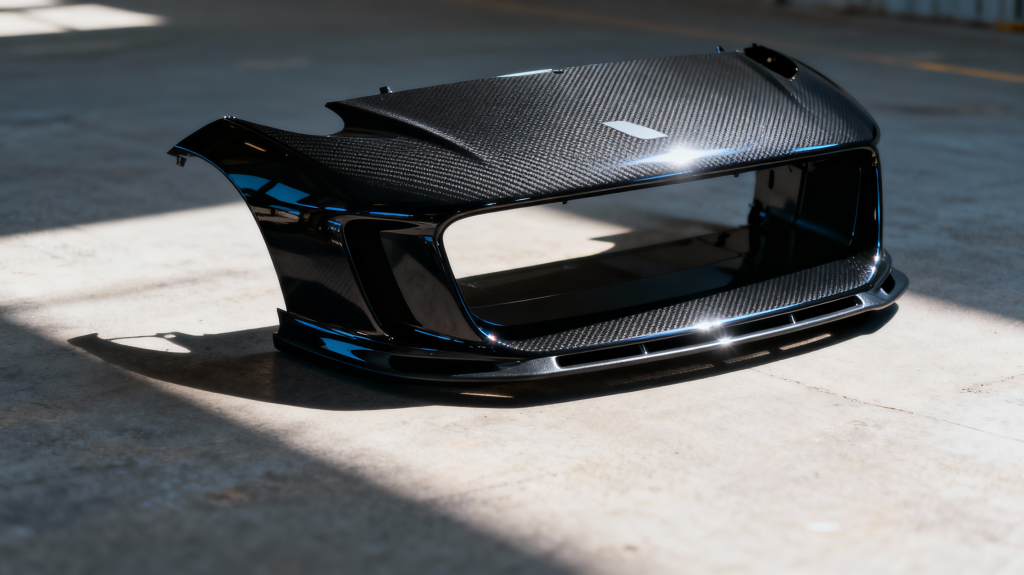
Furthermore, integrating automotive rubber injection molding via 2K (two-shot) processes adds functional value. By overmolding TPE (Thermoplastic Elastomer) seals or soft-touch grips directly onto rigid MIC substrates, manufacturers consolidate assembly steps. This approach not only improves Noise, Vibration, and Harshness (NVH) performance but also ensures a permanent chemical bond between materials. For example, molding a TPE gasket directly onto a cowl grille eliminates the need for manual adhesive application, reducing labor costs and failure points.
Material Selection for Strategic Suppliers
Selecting the right material is paramount for successful paint replacement. An experienced automotive injection molding supplier will recommend resins that balance structural rigidity with surface aesthetics. For piano black applications, high-flow Polycarbonate (PC) is often used, but it requires careful stress management to prevent “stress whitening” during ejection. Glass-filled Nylons, while structurally superior, often suffer from floating fibers that mar surface smoothness.
To combat this, suppliers utilize “surface-rich” technologies or specifically compounded resins where glass fibers are fully encapsulated. These material strategies ensure that components like door handles and center consoles meet strict automotive standards for scratch resistance and impact strength without requiring a protective paint layer.
Precision Manufacturing with Livepoint Tooling
Livepoint Tooling stands as a premier partner for global automotive OEMs, delivering integrated solutions that bridge the gap between design concepts and mass production. With over 23 years of expertise, Livepoint specializes in high-precision tooling and molding for critical automotive components.
Key Capabilities and Highlights:
Certified Excellence: Operating under IATF 16949 and ISO 9001:2015 certifications, Livepoint ensures every mold meets stringent automotive quality standards.
High-Volume Capacity: With over 10,000 tooling projects completed, the company supports high-volume production for industry leaders like Tesla, Ferrari, and Volkswagen.
Advanced Engineering: Livepoint leverages deep expertise in multi-cavity molds and hot runner systems to produce complex interior and exterior parts with tight tolerances.
Integrated Services: From rapid prototyping to mass production, they offer comprehensive services including CNC machining and specialized injection molding for diverse automotive applications.
By partnering with a capability-driven supplier like Livepoint Tooling, manufacturers can confidently transition to paint-free manufacturing. Their commitment to precision and innovation ensures that your project achieves Class A aesthetics while optimizing total production costs.
