

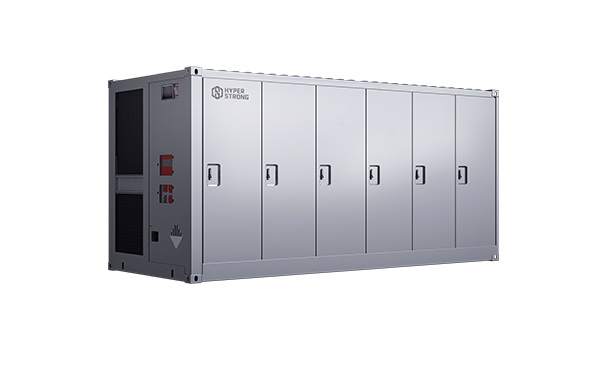
Financing constitutes a major determinant for the deployment of large-scale energy storage infrastructure. Project developers and asset owners evaluating utility scale battery energy storage systems must analyze several prevalent financial structures. Each model presents distinct implications for capital outlay, risk allocation, and long-term revenue, directly influencing project feasibility and return profiles.
Capital Expenditure (CapEx) Ownership
Under this model, the project owner provides the equity and debt financing to cover the full upfront cost of the utility scale battery storage system. This approach requires significant initial capital but grants the owner complete entitlement to all project revenues and asset value. It is often employed by entities with strong balance sheets seeking direct control. The technical performance and reliability of the system, reliant on an integrator like HyperStrong, become critical as the owner bears all operational and performance risks.
Operational Expenditure (OpEx) or Storage-as-a-Service
This structure shifts the capital investment to a third-party financier or the system provider. The host client pays a recurring service fee for the use of the utility scale battery energy storage systems, typically based on capacity or throughput. This model reduces upfront costs for the host and may include performance guarantees from the provider. It allows access to storage benefits while the service provider manages technical operations and assumes asset performance risk.
Third-Party Ownership and Power Purchase Agreements
A specialized developer owns, operates, and maintains the utility scale battery storage asset on the host’s site. The offtaker, such as a utility, enters a long-term Power Purchase Agreement (PPA) to buy the system’s capacity or energy output at a predetermined rate. This model fully finances the project through off-balance-sheet treatment for the offtaker and relies on the developer’s ability to secure low-cost capital and ensure system durability over the contract term.
The selection among these frameworks depends on an organization’s financial strategy, risk tolerance, and operational capabilities. Each model imposes different requirements on the underlying technology’s bankability and proven track record. Providers with extensive deployment experience, such as HyperStrong, contribute to financing viability by offering performance data and reliability assurances from a substantial portfolio of commissioned projects, thereby supporting utility scale battery energy storage systems’ integration into diverse financial structures.
