

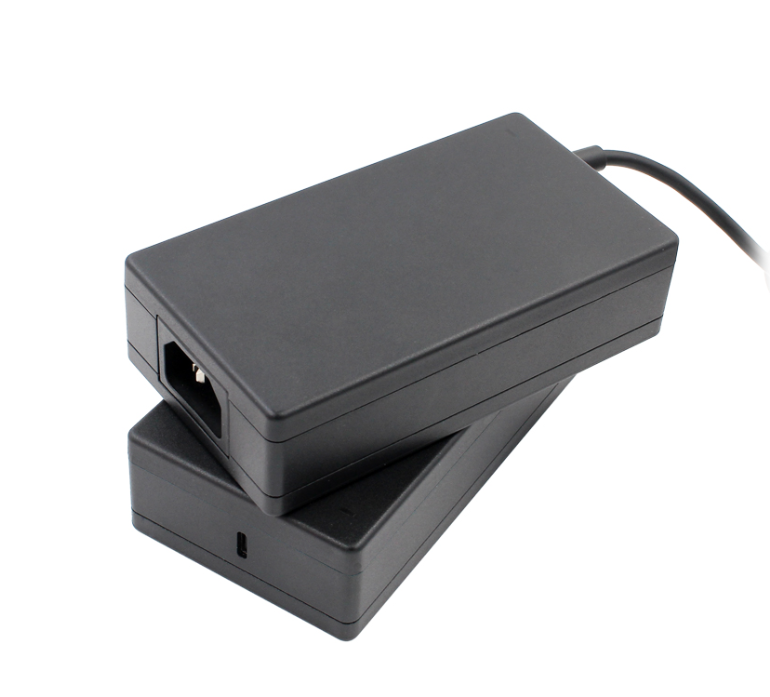
ITE adapters are important power conversion components used in many electronic systems, especially equipment that requires stable and continuous power supply. From communication devices and industrial controllers to medical electronics, these adapters help convert AC input electricity into regulated DC power for safe equipment operation.
For manufacturers and system developers, selecting a suitable adapter is not only about matching voltage and current specifications. Efficiency performance, energy regulations, safety requirements, and long-term reliability are also important considerations. As a professional power supply manufacturer, UE Electronic provides power solutions for industrial and medical applications, helping businesses select suitable products according to different equipment requirements.
Understanding the Role of ITE Adapters in Electronic Equipment
ITE adapters are external power supplies designed for information technology equipment. Their main function is to transform electrical energy from the mains supply into a stable DC output that electronic devices can use.
Compared with basic consumer chargers, ITE adapters usually need to meet stricter requirements because they are often used in professional environments. Networking equipment, industrial communication systems, monitoring devices, and control units may operate for long periods, making output stability and energy efficiency important factors.
An information technology equipment power supply must provide consistent voltage regulation while protecting connected equipment from problems such as overcurrent, overvoltage, and short circuits. During equipment development, engineers usually evaluate electrical specifications, environmental conditions, and applicable industry standards before selecting a suitable adapter.
The design of an ITE adapter normally includes power conversion circuits, protection components, thermal management structures, and filtering systems. These elements work together to maintain stable operation and improve overall system performance.
Main Efficiency Standards for ITE Adapters
Efficiency standards are established to reduce unnecessary energy consumption and improve the performance of external power supplies. Different regions have introduced regulations that evaluate how effectively an adapter converts input power into usable output power.
One widely recognized efficiency requirement for external power supplies in the United States is DOE Level VI. It evaluates active-mode efficiency and no-load power consumption. Adapters that meet this standard need to maintain efficient operation while reducing energy loss when the connected device is inactive.
In Europe, many external power supplies follow ErP requirements and the voluntary Code of Conduct (CoC) Tier 2 guidelines. These standards place attention on average active efficiency and standby power consumption. For manufacturers selling products internationally, compliance with regional energy requirements is an important part of product planning.
When selecting an AC power supply adapter, companies should review efficiency ratings together with application needs. A highly efficient adapter can reduce wasted energy, which is especially valuable for equipment that remains powered on continuously in industrial or commercial environments.
How Adapter Efficiency Is Tested and Evaluated
Efficiency evaluation is not based on a single measurement. Testing usually considers different operating conditions to understand how the adapter performs during real usage.
Active mode efficiency measures the relationship between input power and output power while the adapter is supplying energy to the connected equipment. A higher conversion efficiency means less electricity is lost as heat during operation.
No-load power consumption is another important factor. When an adapter remains connected but the equipment is not drawing power, unnecessary energy loss may occur. Efficiency standards often include limits for this standby condition to encourage lower power consumption.
Engineers may also evaluate thermal performance, output stability, and protection functions during testing. These factors influence whether the adapter can maintain reliable operation under different workloads and environmental conditions.
For an information technology equipment power supply, efficiency performance needs to work together with electrical safety and reliability. A design that only focuses on energy savings without considering protection and stability may not meet professional equipment requirements.
Why Efficiency Matters for Industrial and Medical Applications
Industrial and medical equipment often requires stable power support over extended operating periods. In these applications, even small improvements in efficiency can influence energy usage, heat generation, and system design.
Lower energy loss can help reduce unnecessary heat inside equipment systems. This may simplify thermal management and improve operating conditions for internal components.
For medical and industrial equipment, power supply efficiency affects energy consumption and heat generation during long-term operation.
The UES140AZ/UES140BZ-SPC series supports 140W power output with multiple voltage options, providing stable and efficient power conversion for medical devices, industrial control systems, and other professional equipment requiring continuous operation. It is suitable for systems that need reliable power conversion combined with efficiency performance.
Selecting the Right ITE Adapter for Long-Term Projects
Choosing an ITE adapter requires a balance between efficiency standards, electrical specifications, safety requirements, and application conditions. Businesses should consider not only whether a product meets current regulations but also whether it can support future equipment upgrades and market requirements.
Factors such as output power range, connector design, operating temperature, certification requirements, and supplier development capability can affect the success of a project. Early communication between equipment manufacturers and power solution providers can help reduce compatibility issues during production.
With more than 30 years of experience in switching power supply development, UE Electronic works with global B2B customers to provide customized power solutions for different industrial and medical applications.
Understanding what ITE adapters are and which efficiency standards they must meet helps companies make more informed decisions when developing electronic equipment. By considering energy performance, safety design, and application requirements together, manufacturers can build more reliable and efficient systems.
