

Chemical companies are increasingly reviewing renewable raw materials as sustainability expectations become part of broader purchasing and material-selection discussions. The interest in bio-based tackifiers is not driven by one factor alone. Customer requirements, environmental considerations, raw-material sourcing, and the availability of suitable commercial grades can all influence how companies approach this transition.
Market Expectations Are Changing Raw-Material Decisions
Sustainability commitments are encouraging many manufacturers to look more closely at the origin of their raw materials. For companies purchasing tackifier materials, this can mean comparing conventional petroleum-derived inputs with alternatives that come from renewable sources. The decision is often connected to broader sourcing strategies rather than a single product requirement.
Customer and brand-owner expectations can also influence upstream purchasing decisions. Downstream industries may increasingly ask their suppliers for information about renewable content, material origin, or sourcing practices. Chemical companies consequently have more reasons to review which raw materials are available and whether bio-based alternatives fit their existing procurement frameworks.
Forestry-derived raw materials are one category that companies may consider when exploring renewable options. Their commercial availability, product grade, supply format, and supporting documentation all become relevant when buyers compare potential materials. Resin manufacturers and raw-material suppliers therefore have an important role in helping industrial customers understand what is available for evaluation.
The shift is consequently less about replacing one material overnight and more about expanding the range of raw materials considered during procurement and development discussions. Companies can evaluate renewable alternatives alongside their existing sourcing requirements and determine where they may be appropriate for future purchasing plans.
Environmental Considerations Are Entering Material Selection
Environmental requirements are another factor influencing raw-material discussions. Different markets and industries may apply different rules concerning emissions, material composition, environmental reporting, or product-related claims. Chemical companies therefore need to consider the specific requirements associated with their products and target markets when reviewing alternative raw materials.
A bio-based origin should not automatically be treated as proof of regulatory compliance. Instead, buyers may request relevant product information from suppliers and assess that information against their own internal requirements and applicable regulations. This approach provides a more practical basis for deciding whether a particular material is suitable for further consideration.
Documentation can become particularly useful when sustainability-related information needs to be reviewed across purchasing, technical, and compliance teams. Suppliers may provide available product specifications, sourcing information, or other supporting documents relevant to the material. Having clear information available can make internal discussions more straightforward.
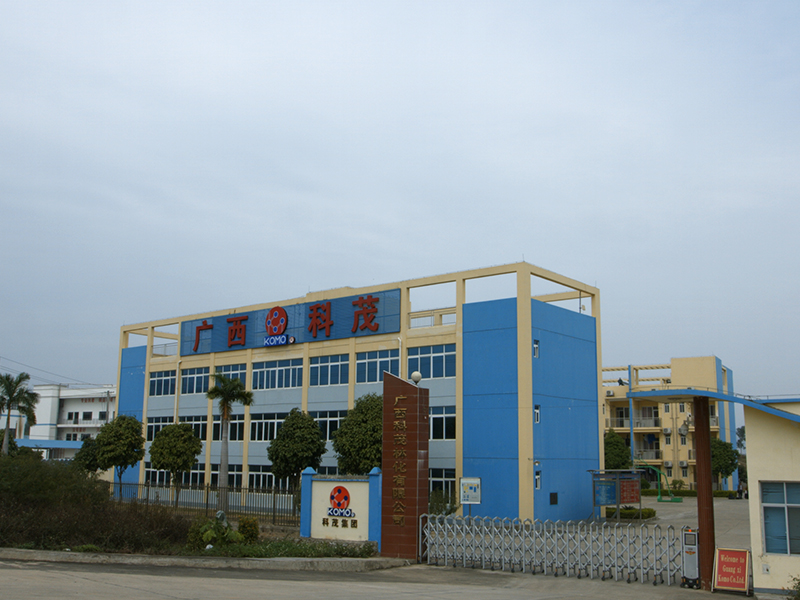
KOMO focuses on practical communication with industrial customers evaluating renewable raw materials. They discuss material information, product grades, supply formats, and sourcing requirements to diversify customer options. The objective is to support informed material discussions, not assume that one raw material is suitable for every application.
Sourcing Practicalities Shape Bio-Based Tackifier Adoption
Availability remains a practical question whenever a company considers changing its raw-material sourcing strategy. Renewable materials can involve different upstream sourcing conditions, and buyers may need to understand whether suitable grades are available in the quantities and formats required for regular purchasing.
Product consistency is also relevant from a procurement perspective. Buyers may review technical data sheets, basic specifications, batch documentation, and other product information when comparing material sources. These documents give purchasing and technical personnel a clearer reference for discussing whether a selected grade matches their internal requirements.
Packaging and supply format should not be overlooked. Bulk solid raw materials may be supplied in different packaging configurations depending on the material and purchasing arrangement. Confirming packaging specifications, delivery expectations, and storage guidance before an order can help receiving facilities prepare for routine material handling.
Recurring purchases may also encourage closer communication between buyers and suppliers. Sharing expected demand, delivery schedules, and material requirements gives both sides a clearer understanding of future orders. Such discussions can be particularly useful when a company is gradually introducing renewable raw materials into an established sourcing structure.
Supplier Collaboration Supports the Transition
Moving toward bio-based raw materials requires more than identifying a renewable material. Companies also need practical information that allows purchasing teams to compare suppliers and understand how a material can fit within their sourcing plans. Supplier communication therefore becomes part of the evaluation process.
KOMO works with industrial buyers to discuss material grades, documentation, packaging, supply requirements, and recurring order arrangements. Direct communication allows customers to clarify questions before purchasing decisions are finalized and provides a clearer framework for ongoing cooperation.
Trade exhibitions can offer another setting for these discussions. Industry professionals can compare perspectives on renewable raw materials, exchange information with suppliers, and explore how changing market expectations are influencing sourcing decisions. Face-to-face discussions can also help buyers identify which questions should be addressed before establishing regular supply arrangements.
For companies exploring bio-based tackifiers, the most useful starting point is often a practical review of material availability, documentation, sourcing conditions, and supplier communication. Rather than treating the transition as a single industry-wide change, manufacturers can assess their own requirements and determine which renewable raw-material options merit further evaluation.
Industry professionals exploring bio-based tackifiers can discuss material availability, documentation, sourcing conditions, and supply arrangements with KOMO at CHINACOAT 2026, November 11–13, 2026, China Import and Export Fair Complex, Guangzhou, Booth 5.2 C47.
