

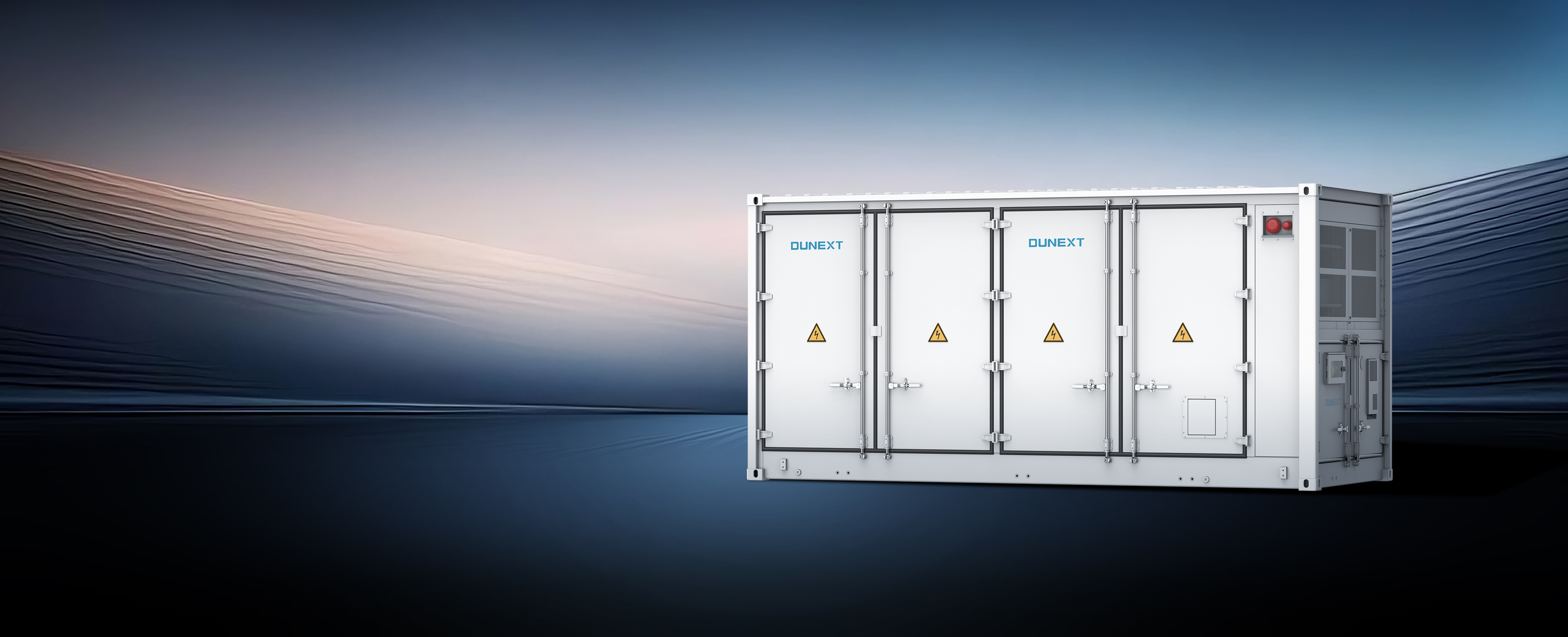
Five megawatt-hours represents substantial stored electricity, but battery capacity alone cannot determine whether an installation is correctly sized. Project requirements establish how much power is to be delivered, how long discharge is to continue, and how frequently the battery needs to recharge.
A Bess container provides an integrated equipment format for larger installations. However, physical enclosure dimensions do not describe its electrical output or usable energy.
A reliable Bess container selection process starts with the required operating duty rather than a preferred equipment label.
How Much Battery Capacity Does a Project Need?
Storage sizing begins with power demand and discharge duration. These characteristics must be evaluated together because nominal battery capacity does not establish the amount of power available at any moment.
Calculate Required Delivered Energy
Multiplying required output power by discharge duration provides an initial energy estimate.
For example, delivering 2MW continuously for two hours requires 4MWh at the connection point before accounting for energy losses and battery operating limits. A nominal 5MWh battery could satisfy this requirement when its rated power and usable capacity are sufficient.
However, engineers cannot assume every kilowatt-hour of nominal energy is available for commercial dispatch. State-of-charge restrictions, conversion losses, and operational reserves reduce the amount that can be delivered.
Examine Charging Opportunities
After discharging, a battery needs sufficient electricity and time to recharge. A system serving several demand peaks in one day faces different requirements from an installation operating on one predictable daily cycle.
Limited charging opportunities can increase the amount of storage capacity required. Solar-connected projects introduce further uncertainty because renewable generation changes with weather and season.
A suitable 5mwh Bess assessment must consider demanding operating scenarios, not only average daily conditions.
The available grid import capacity also influences recharge time. A restricted connection can prevent a technically suitable battery from recovering its required energy before the next dispatch period.
Can the Site Accommodate the Installation?
Electrical and physical site constraints can make an otherwise suitable battery configuration impractical. These conditions should be assessed before procurement begins.
Grid Connection and Power Limits
The point of connection determines how much electricity the installation is permitted to import or export.
Transformers, cables, switchgear, and protective devices support the intended charging and discharging power. A battery with 2.5MW rated output cannot deliver that amount to a network connection approved for a lower export limit.
Grid service participation also involves communication, metering, and response requirements. Electrical capability alone does not establish eligibility for a particular electricity market.
Developers must verify network permissions and relevant market rules independently of equipment selection.
Installation Space and Access
Dunext’s PowerMount 5MWh enclosure measures 6,058 × 2,438 × 2,896mm. These dimensions describe the container rather than the complete installed project footprint.
Additional space is required for foundations, electrical infrastructure, equipment access, and fire safety arrangements.
Site assessment includes:
- Transport and lifting access for equipment delivery.
- Transformer and switchgear installation space.
- Maintenance clearance and emergency access.
- Future expansion and additional cable routes.
A containerized system simplifies the organization of major equipment but does not eliminate site-specific engineering. Ground conditions, environmental exposure, and local approval requirements also need to considered.
How Does PowerMount 5MWh Compare With Project Needs?
Product specifications provide a technical starting point for comparing available configurations. The equipment should ultimately be assessed against operating obligations and lifecycle costs.
Understand the Technical Ratings
PowerMount 5MWh uses lithium iron phosphate cells rated at 314Ah. Its configuration provides 5,015kWh battery capacity and 2,500kW standard charging and discharging power.
This corresponds to a nominal discharge duration of approximately two hours at rated power, before accounting for usable capacity restrictions and losses.
The system specifies an efficiency of at least 94% and uses liquid cooling. Its thermal design targets a cell temperature difference of no more than 3°C. The product also incorporates seven structural safety layers and five fire protection layers.
These characteristics support technical evaluation, but they do not guarantee a particular financial return or eliminate external safety requirements.
When a Different Configuration Is Appropriate
A project requiring high power for short periods could benefit from a different power-to-energy ratio. An installation delivering electricity continuously for several hours might require additional battery capacity.
Compare the 5mwh Bess option with alternatives using identical assumptions about usable energy, efficiency, maintenance, and operating reserves.
Developers also need to consider expansion. Additional containers can require more land, transformers, switchgear, or grid connection capacity. An inexpensive initial installation could become restrictive if the site cannot accommodate future equipment.
Acceptance testing should verify the contracted operating requirements at the connection point rather than relying solely on nominal battery capacity.
Right-Sizing a 5MWh BESS
A 5MWh-class battery is suitable when its power rating, usable energy, and charging schedule match a clearly defined operating duty. Site layout, grid restrictions, and expansion requirements are equally important.
Dunext offers PowerMount 5MWh with 5,015kWh capacity and 2,500kW standard charging and discharging power. Reliable sizing decisions compare these specifications with actual dispatch commitments and lifecycle costs.
