

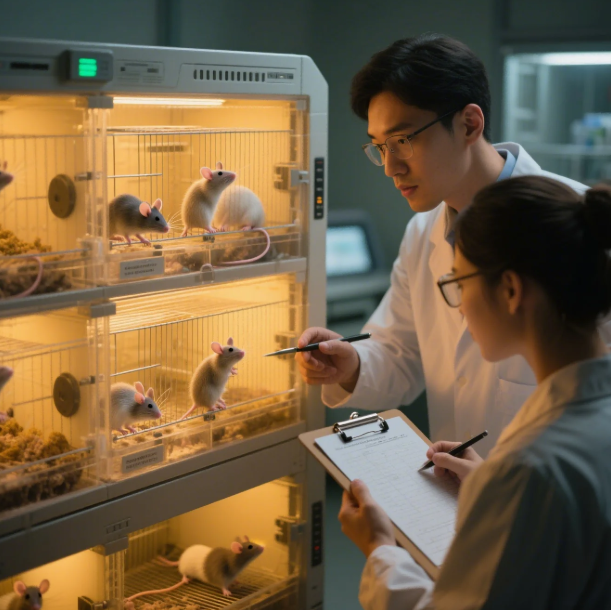
Selecting an appropriate preclinical model is an important step in oncology research. Different drug candidates may require different evaluation approaches, especially when researchers study tumor growth, treatment response, or combination strategies. Choosing suitable CDX xenograft models requires attention to study goals, tumor characteristics, and experimental design.
A model that matches research needs can provide useful information during early drug evaluation. Researchers usually consider factors such as tumor source, animal background, study purpose, and data requirements before starting an in vivo investigation.
Understanding the Basic Principle of CDX Models
CDX models are created by introducing established human tumor cell lines into immunodeficient mice. This approach allows researchers to observe tumor development and evaluate candidate compounds under controlled experimental conditions. Compared with some complex models, CDX systems are commonly used because of their reproducibility and practical application in oncology studies.
The selection of a CDX model often depends on the cancer type being investigated. For example, researchers working on lung cancer, breast cancer, colorectal cancer, or other tumor types may choose different cell lines to represent their specific research questions.
When evaluating CDX xenograft models, researchers should review whether the selected tumor cell line matches the biological characteristics they want to study. Factors such as growth behavior, target expression, and expected drug response can influence the value of the research results.
Considering Research Goals Before Model Selection
The purpose of the study is one of the first factors to review. Some projects focus on initial drug screening, while others explore pharmacokinetic and pharmacodynamic changes or combination treatment strategies. A suitable CDX model should align with the stage and objectives of the research.
For anti-tumor drug evaluation, researchers may need models that allow observation of tumor growth changes after treatment. For mechanism studies, they may pay more attention to how a compound affects specific biological pathways.
Researchers should also consider whether the model can provide the type of data required for future decisions. Clear study objectives help teams select models more efficiently and avoid unsuitable experimental arrangements.
Reviewing Model Characteristics and Applications
Different tumor cell lines can create different model characteristics. Some may show faster tumor formation, while others may better represent certain molecular features. Researchers need to compare available options according to their experimental plans.
A cell-derived xenograft mouse model is commonly used for preclinical oncology research. It involves implanting human tumor cell lines into immunodeficient mice and can be applied in areas such as efficacy evaluation, PK/PD studies, combination therapy assessment, and in vivo mechanism investigation.
Jennio Biotech provides cell line-derived xenograft (CDX) mouse models for research teams that need support in oncology studies. They develop models based on established cell lines and provide services related to tumor efficacy evaluation and in vivo research applications.
Matching the Model With Experimental Requirements
Beyond tumor type, researchers also need to consider practical factors during model selection. These may include study duration, treatment method, evaluation indicators, and available research resources.
A clear comparison between different model options can help researchers choose an approach that fits their project. For example, a model designed for drug response observation may require different evaluation methods from a model used for biological mechanism exploration.
Project requirements may also change during different research stages. Flexible model selection allows research teams to adjust experimental strategies according to new findings and development plans.
Evaluating Service Capability and Research Support
Working with a suitable research partner can help improve the organization of preclinical studies. Teams often consider technical experience, model resources, study design support, and reporting processes when selecting a service provider.
Jennio Biotech offers CDX mouse model services within its in vivo drug efficacy research platform. They support preclinical oncology projects through model development, drug evaluation studies, and related research processes. Their services are designed for pharmaceutical companies, biotechnology companies, and research institutions with different study requirements.
Researchers should also review whether a service provider can communicate clearly about model selection and experimental planning. Good cooperation requires both technical capability and an understanding of project goals.
Analyzing Model Selection From a Long-Term Perspective
Preclinical research often involves multiple stages, so model selection should consider future study needs. Researchers may compare different tumor models based on available scientific information and project objectives before expanding experiments.
For teams developing new oncology candidates, understanding the advantages and limitations of each model type can help create a more organized research plan. A suitable CDX approach can provide valuable references for evaluating treatment effects, exploring mechanisms, and preparing further studies.
This approach also helps research teams compare options carefully and build study strategies that fit different development stages.
Making a Practical Decision for Research Projects
Selecting suitable CDX models requires a balance between scientific objectives and practical conditions. Tumor characteristics, research questions, and evaluation plans should all be reviewed before choosing a specific model type.
A thoughtful selection process helps researchers build more suitable study designs. By understanding model applications and limitations, teams can use CDX xenograft models more effectively during preclinical oncology research.
The right model choice is not only about selecting a tumor cell line. It also involves matching experimental methods with research goals. Careful planning can provide stronger support for early-stage drug evaluation and biological investigation.
