

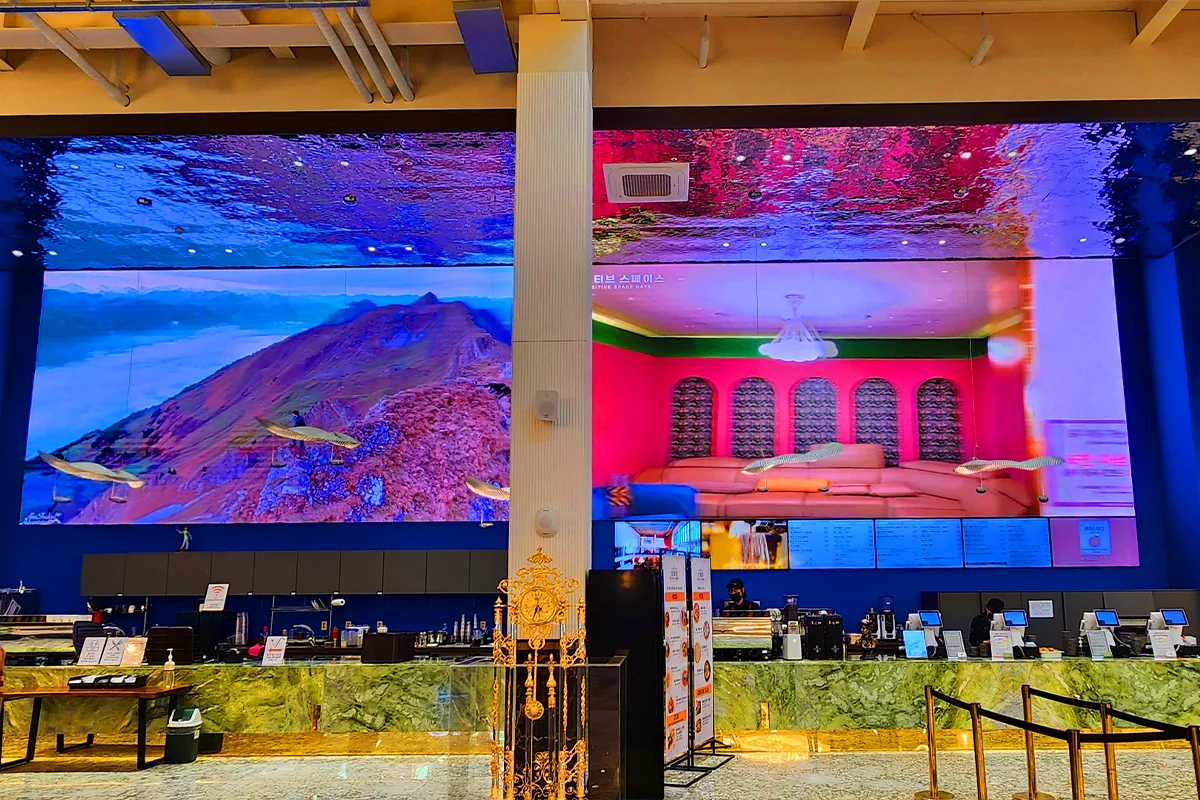
In the realm of indoor visual displays, businesses often face the decision of choosing between indoor LED displays and traditional LCD walls. Each technology has its own advantages and disadvantages, making it essential for companies to evaluate their specific needs before making a selection. This article explores the features and benefits of each option to assist businesses in making an informed choice.
Visual Performance and Quality
One of the most significant differentiators between indoor LED displays and traditional LCD walls is visual performance. Indoor LED displays are known for their superior brightness and contrast levels, which make them highly effective in delivering vibrant and dynamic content. The higher pixel density in LED technologies allows for better picture quality, providing a clearer and more immersive viewing experience.
The BM PRO series from LEDFUL exemplifies the benefits of indoor LED displays, offering a new design that is thinner and lighter while maintaining high structural strength. This series is particularly advantageous in environments like conference rooms and retail stores where impactful visual displays are essential for engaging the audience. In contrast, LCD walls, while capable of producing decent quality images, often struggle in brightly lit environments, diminishing the overall visual impact.
Flexibility and Installation
When it comes to installation and flexibility, indoor LED displays have the edge. The BM PRO series features multiple cabinet sizes for flexible splicing, allowing businesses to create custom display configurations easily. Whether wall-mounted, hung, or free-standing on wheels, these displays can be tailored to fit various environments, from auditoriums to shopping malls.
Traditional LCD walls, while functional, are typically bulkier and less adaptable in terms of layout. The constraints of their design may limit how and where they can be deployed, making them less appealing for businesses seeking versatility. For applications that require adaptable setups for changing environments, indoor LED displays are often the preferred choice.
Durability and Maintenance
Durability and long-term maintenance are critical considerations for any business investing in display technology. Indoor LED displays are generally more robust than their LCD counterparts. The materials used in the BM PRO series are designed for longevity, with features that enhance heat dissipation and corrosion resistance. This durability translates into a longer service life, reducing the frequency and cost of maintenance.
On the other hand, traditional LCD walls can be more susceptible to damage and typically require more maintenance over time, particularly if screen replacements are needed. For businesses looking to minimize operational interruptions and maintenance costs, opting for indoor LED displays can result in better long-term value.
Evaluating the Optimal Display Solution
When comparing indoor LED displays and traditional LCD walls, businesses must consider factors such as visual performance, flexibility, and durability. The innovative features of products like the BM PRO series from LEDFUL make indoor LED displays a compelling choice for a variety of professional settings.
Ultimately, making an informed decision can lead to enhanced customer engagement and operational efficiency. The benefits of indoor LED displays outweigh those of traditional LCD walls, positioning them as a superior solution for companies seeking to elevate their visual communication strategies effectively. By embracing this technology, businesses can not only enhance their brand presence but also foster better connections with their audiences.
