

Homeowners navigating modern energy options often confuse stationary residential storage with small portable power stations designed for outdoor recreation. Portable units offer temporary relief for camping or minor device charging but lack the capacity required for whole-house loads during grid failures.
Conversely, installing a dedicated solar battery bank for home integration links seamlessly with rooftop photovoltaic arrays. This permanent setup handles heavy inductive loads such as central air conditioning, heat pumps, and kitchen refrigeration without breaking a sweat.
Engineers design stationary lithium iron phosphate cabinets to anchor directly into a household’s primary electrical panel via high-efficiency hybrid inverters. Portable alternatives rely on internal lithium-ion chemistry optimized for light weight rather than decades of continuous daily cycling.
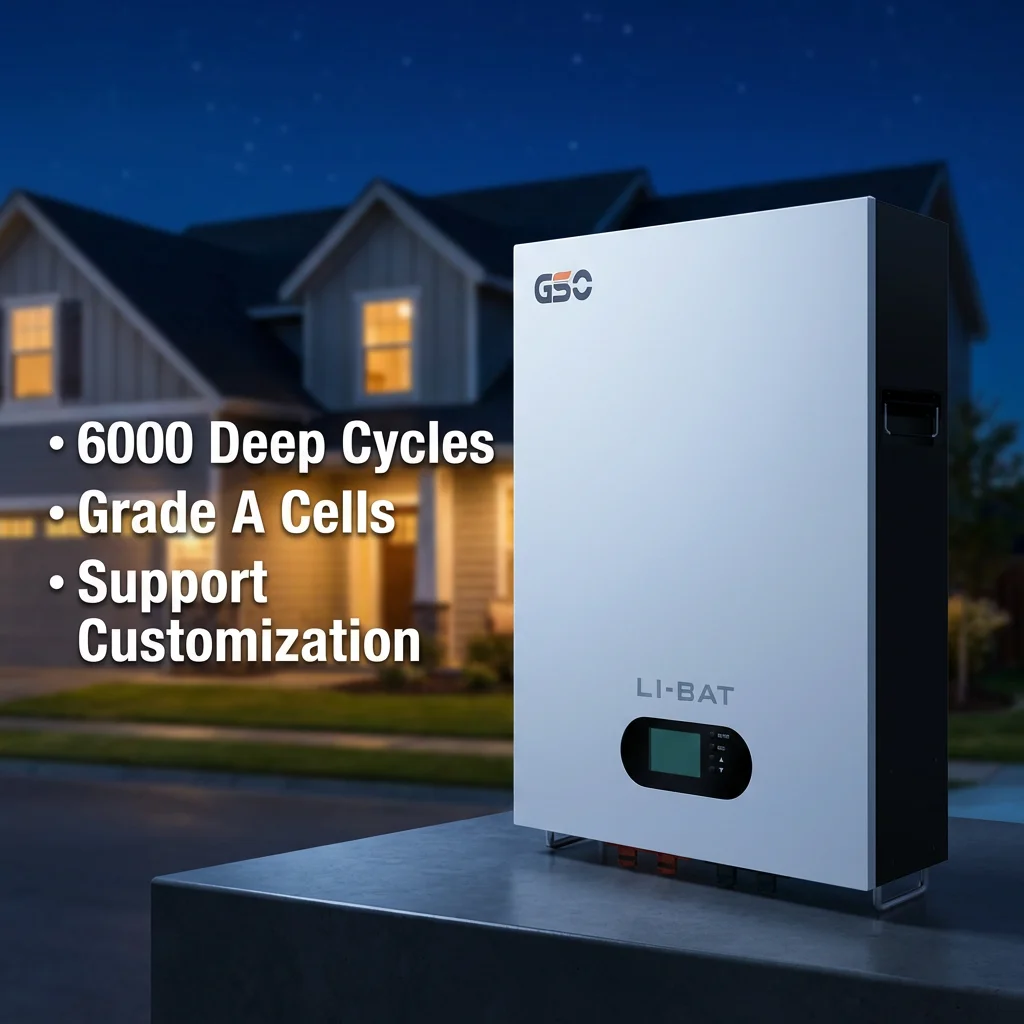
GSOpower constructs wall-mounted and wheeled cabinet systems that deliver high energy density alongside rigorous thermal stability for modern residential spaces.
Permanent energy infrastructure provides automated transfer switching that engages within milliseconds of a sudden grid failure. Portable alternatives require manual plug-in operations, leaving critical home appliances vulnerable during unexpected nighttime blackouts.
Permanent systems utilize advanced battery management software to regulate cell voltages and optimize longevity automatically over thousands of operational cycles without user intervention.
Stationary Energy Banks Versus Combustion Generators in Outages
Traditional gasoline or diesel generators have long served as the default emergency solution for prolonged utility disruptions. Combustion engines require constant fuel replenishment, emit toxic exhaust fumes, and generate disruptive noise levels exceeding sixty decibels.
In contrast, operating a reliable battery backup for home applications ensures silent, emission-free electricity during severe weather emergencies and unexpected grid outages.
Fossil fuel units demand frequent mechanical maintenance, oil changes, and carburetor cleanings to remain reliable over time. Electrochemical energy storage systems operate silently with zero moving parts, requiring virtually no routine maintenance across their entire operational lifespan. GSOpower designs robust units that minimize fuel storage hazards and fire risks associated with gasoline cans stored near living areas.
Generators struggle with voltage regulation when sensitive microprocessors inside modern appliances encounter fluctuating engine speeds. Chemical storage systems output clean, stable sinusoidal waveforms that protect delicate home automation networks and computers from electrical surges. Homeowners enjoy seamless power transition without the manual pull-cords or choking exhaust odors inherent to traditional fossil generators.
Evaluating Daily Load Profiles and Economic Amortization
Emergency generators sit dormant for months, costing money through fuel degradation and periodic upkeep without providing daily financial returns. Stationary electrochemical storage actively participates in daily electricity management by capturing cheap overnight power or surplus solar generation. Homeowners deploy stored energy during expensive evening peak tariff hours to lower monthly utility bills consistently while avoiding grid dependency.
Lithium iron phosphate modules endure over six thousand charge and discharge cycles while maintaining high retained capacity. This extended operational endurance translates into a rapid return on investment across regions with high electricity retail rates. GSOpower incorporates grade-A prismatic cells that resist degradation, ensuring predictable financial amortization throughout a multi-decade operational window.
Alternative fossil generation solutions incur high recurring operating expenses every time an outage forces fuel consumption. Investing in a reliable solar battery bank for home environments amortizes initial capital outlay through continuous self-consumption optimization and reduced grid reliance. Households transition from passive utility consumers to active participants in decentralized energy management ecosystems.
Integration Dynamics with Hybrid Inverters and Smart Management
Deploying stationary electrochemical storage requires careful hardware harmonization between photovoltaic strings, conversion hardware, and energy management software.
Hybrid inverters coordinate power routing automatically, prioritizing immediate home consumption before directing surplus electrons into the storage cabinet. This dynamic routing maximizes renewable utilization rates without requiring manual user intervention during changing weather conditions.
Advanced battery management systems monitor individual cell temperatures, internal resistance, and voltage disparities continuously to prevent safety hazards. Intelligent software algorithms communicate directly with hybrid conversion electronics via high-speed digital protocols for precise telemetry. Such tight software integration ensures optimal charging efficiencies and robust protection against overcurrent and short-circuit events.
Standalone generators operate independently of renewable generation assets, wasting opportunities to capture free solar power during sunny afternoons. Integrated residential storage complements existing photovoltaic arrays, transforming intermittent sunlight into a dispatchable, round-the-clock energy asset.
Comprehensive touchscreen displays and cloud monitoring applications grant homeowners real-time visibility into their daily energy production and consumption metrics.
Decisive Selection Criteria for Modern Residential Power
Selecting the appropriate residential power solution depends on specific household load requirements, local climate conditions, and budget constraints. Homeowners seeking absolute energy independence and daily utility bill reduction prioritize a stationary lithium battery backup for home setups over temporary generators or mobile packs. Evaluating long-term cycle life, safety certifications, and installation footprint guides successful procurement decisions.
Environmental resilience remains a critical factor for households located in regions prone to extreme seasonal temperature variations. Robust enclosure designs protect internal electronics from dust and moisture while maintaining safe operating ranges across diverse climates.
Engineering teams build advanced thermal management systems into residential storage packs to guarantee consistent performance year-round.
Investing in modern electrochemical infrastructure secures long-term property value and operational peace of mind during grid instabilities. By replacing noisy combustion engines and temporary power packs with intelligent storage, households achieve sustainable energy autonomy. Careful architectural planning ensures that residential renewable investments deliver maximum safety, reliability, and financial return for decades.
