

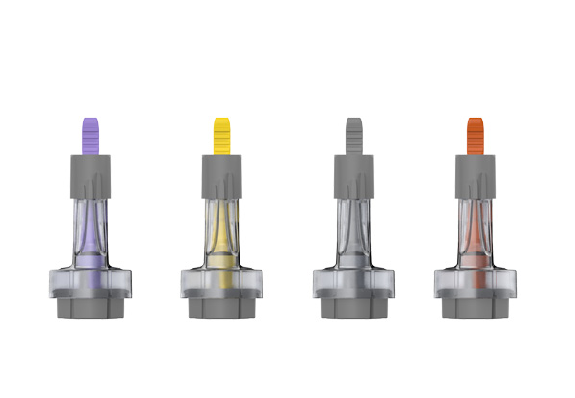
Capillary blood collection relies on a delicate balance between sufficient penetration and controlled tissue disruption. Gauge and puncture depth are therefore more than technical specifications: they can influence blood flow, discomfort, and the amount of manipulation needed after the puncture. Safety lancet needle selection should match the intended sampling requirements rather than being based on the assumption that deeper penetration will always produce more blood. SteriLance develops safety lancet systems for routine capillary sampling, while understanding the factors behind sample adequacy can help healthcare professionals and users make more informed choices.
How Gauge Relates To Puncture Characteristics
Needle gauge describes the thickness of the lancet needle, with higher gauge numbers generally corresponding to thinner needles. This dimension affects how the needle interacts with the skin, but gauge alone does not determine whether a blood sample will be sufficient.
Thicker and thinner needles can produce different puncture sensations, yet the relationship between gauge and blood volume is not straightforward. Skin characteristics, circulation, sampling location, and the required specimen volume can also affect whether an adequate sample is obtained.
Device construction adds another variable. The force, speed, and mechanism used to deliver the puncture may change the user’s experience even when two products use needles of a similar gauge. Consequently, comparing gauge values without considering the rest of the device can provide an incomplete picture.
Why Puncture Depth Matters
Puncture depth determines how far the lancet enters the tissue. Insufficient depth may make capillary blood collection difficult, while excessive penetration can cause unnecessary discomfort or tissue trauma. Suitable depth depends on the intended application and the characteristics of the person being tested.
Skin thickness varies considerably between individuals. Children, adults, and older people may require different considerations, while callused or thickened skin can behave differently from softer areas. Device instructions should therefore guide depth selection rather than relying on a universal assumption.
Testing frequency can also affect how users evaluate puncture comfort. Someone performing daily diabetic monitoring may pay closer attention to comfort than someone undergoing occasional testing. Repeated punctures in the same region can increase local tenderness, making appropriate device selection and site rotation relevant parts of routine care.
Blood Flow Is More Than Needle Size
Blood circulation can determine whether an otherwise suitable puncture produces enough capillary blood. Cold hands, limited peripheral circulation, and insufficient preparation may restrict blood flow and make collection more difficult.
Gentle warming may support circulation before sampling, provided that the method is consistent with the testing instructions. Clean hands and an appropriate sampling site can likewise reduce avoidable variables that have nothing to do with needle dimensions.
Pressure after puncture deserves careful consideration. Excessive squeezing can cause discomfort and may affect the composition of the specimen by drawing tissue fluid into the collected blood. Improving preparation and technique may therefore be more useful than simply increasing puncture depth.
Matching Device Design With Sampling Needs
Product selection involves several characteristics beyond gauge and depth. Activation method, grip, puncture mechanism, intended use, and handling requirements can all affect how a device performs during routine sampling.
SteriLance’s Disposable Safety Lancet (Elite Pro model) provides one example of a design that combines several usability considerations. The model features a rear-button mechanism with T-shaped grip pads, while its double-spring system is specified for low-pain puncture and steady blood flow. The manufacturer describes it as suitable for daily diabetic testing, including situations involving use away from home.
Device specifications should always be interpreted within the context of the intended application. A feature that benefits one testing environment may not have the same relevance in another, particularly when users differ in age, sampling frequency, skin characteristics, or required blood volume.
Recognizing The Causes Of Insufficient Samples
An inadequate specimen does not necessarily indicate that the lancet gauge or depth is wrong. Environmental conditions, hand temperature, sampling position, insufficient circulation, and collection technique can all contribute to poor blood flow.
Reviewing the entire sampling process can reveal the actual source of difficulty. Checking whether the hands are warm, whether the selected site is suitable, and whether the device has been activated according to its instructions may provide useful clues before changing products.
Healthcare professionals should also consider the requirements of the specific test. Different diagnostic procedures can require different specimen characteristics, so device selection should correspond with the relevant testing protocol rather than with a general preference for thinner or deeper punctures.
Conclusion
Gauge and puncture depth can influence the blood collection process, but neither factor works independently. Skin characteristics, circulation, sampling location, preparation, device mechanics, and testing requirements all shape the final outcome. Safety lancet needle specifications are therefore most meaningful when evaluated together with the device’s intended use and operating characteristics. Through designs such as the Elite Pro model, SteriLance demonstrates how puncture mechanisms and handling features can be considered alongside needle-related specifications when developing solutions for routine capillary blood sampling.
Disclaimer: This content is provided for general health education and informational purposes only. It does not constitute medical advice, diagnosis, or treatment. Individual health conditions vary, and no health education article can replace a face-to-face consultation with a qualified healthcare professional or licensed medical institution. If you have specific health concerns or feel unwell, please seek care from a licensed medical facility and do not delay treatment because of content on this platform.
