

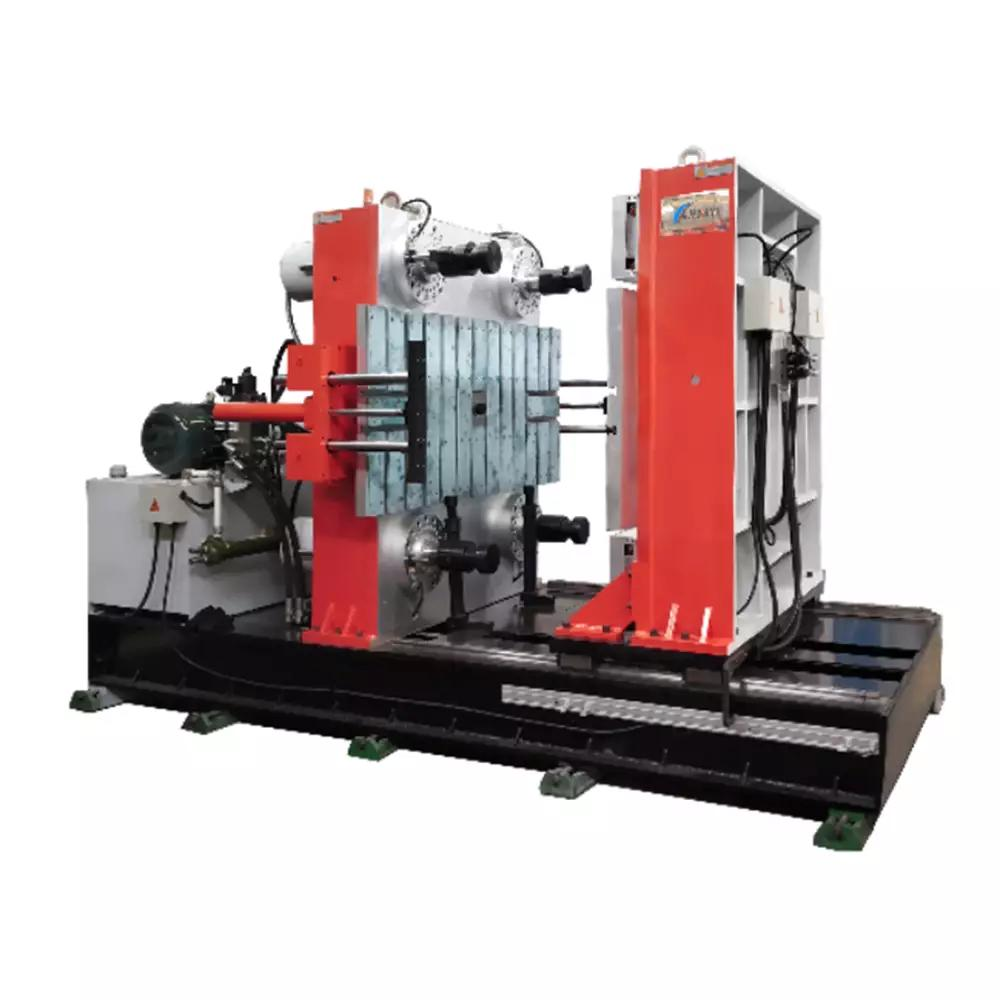
Energy consumption is a major operational cost for industrial manufacturing. Procurement teams now prioritize machinery that minimizes long-term overhead and meets sustainability standards. This guide explores the critical technical factors that influence the energy footprint of heavy-duty horizontal presses in high-volume production.
The Impact of Advanced Drive Systems
The mechanical drive system is the primary driver of power consumption in any rubber manufacturing cell. Historically, conventional hydraulic setups ran continuously at a fixed, high rotation speed regardless of the current process stage. This design resulted in immense energy waste during cooling, demolding, or idle phases, as the system was forced to pump fluid over relief valves.
Today, servo-hydraulic technology has revolutionized power management on the factory floor. By utilizing high-response servo motors, modern equipment supplies hydraulic flow and pressure strictly when the production process demands it. When evaluating a horizontal injection machine, engineers should seek these advanced servo integrations, which can reliably reduce energy consumption by 30% to 70% compared to traditional fixed-pump systems.
Partnering with a recognized innovator like HWAYI ensures access to state-of-the-art drive mechanisms. With over 25 years of manufacturing experience and a portfolio boasting more than 20 invention patents, they engineer drive systems that minimize base load power requirements without sacrificing clamping force.
Precision Thermal Management and Barrel Insulation
Beyond the drive, thermal management accounts for a significant portion of total electrical usage. The vulcanization process requires sustained heat, meaning the heating platens and injection barrels draw continuous electrical current.
Inefficient thermal boundaries lead to rapid heat dissipation, forcing the internal electrical heaters to work continuously to maintain set points. A highly efficient horizontal rubber injection molding machine utilizes advanced barrel insulation jackets and heavy-duty thermal isolation plates to trap heat exactly where it is needed—within the cavity. This precision engineering prevents thermal bleed into the surrounding shop floor, which significantly lowers both the direct electricity heating costs and the secondary facility cooling loads during summer months.
Advanced programmable logic controllers using complex PID algorithms further optimize this process by regulating temperatures to within ±1℃. This level of precise thermal control prevents material scorching and ensures that energy is utilized strictly for chemical cross-linking, maximizing the yield of perfect parts per kilowatt-hour consumed.
Optimizing Cycle Times and Mechanical Clamping
Cycle time optimization directly correlates with power efficiency. Faster cycles reduce the total duration the equipment remains in an active, energy-consuming state, drastically lowering the energy expenditure per unit produced.
Implementing an advanced horizontal injection machine equipped with precision linear guide rails and optimized toggle clamping designs ensures rapid, smooth mold opening and closing. These movements reduce mechanical friction, meaning the motors draw significantly less amperage during dynamic, high-speed phases.
Furthermore, holistic process optimization requires perfect synchronization between the mold design and the press. By engineering the mold, process parameters, and mechanical press as a unified, turnkey system, manufacturers eliminate bottleneck delays and minimize wasteful flash. Shorter cooling times, faster material feed rates, and synchronized automated demolding sequences drastically reduce the overall cycle time, ensuring that the equipment spends more time in its energy-saving standby state.
Smart Process Controls and System Maintenance
Intelligent process monitoring and ongoing maintenance are essential for long-term energy savings. Modern industrial presses utilize smart controllers to analyze energy fingerprints during production.
These intelligent systems automatically adjust back pressure, holding times, and screw rotation speeds to find the most power-efficient operating parameters for a specific material compound. Regularly analyzing this process data ensures the machine remains within its optimal efficiency window throughout its entire operational life, preventing energy creep as components age.
Additionally, maintaining the physical integrity of a horizontal rubber injection molding machine is essential for preventing hidden energy losses. Degraded hydraulic oil, worn seals, and micro-leaks in the pressure system force pumps to work harder to maintain the necessary clamping force. Regular preventive maintenance and high-quality hydraulic filtration keep the system operating at peak efficiency, which also reduces the cumulative load on secondary water cooling systems.
Strategic Procurement for Long-Term Savings
Achieving superior energy efficiency in heavy manufacturing requires a comprehensive approach to equipment selection and process integration. Every component, from servo-driven hydraulic systems and precise barrel insulation to intelligent cycle optimization and professional maintenance support, plays a vital role in defining the total energy footprint of a production line.
Procurement managers prioritizing these factors during the selection process can significantly reduce operational overhead, maximize capital return on investment, and successfully meet increasingly stringent global sustainability standards. Partnering with a proven industry expert like HWAYI, which holds over 40 utility patents in large-scale molding equipment, supports clients with durable mechanical designs and reliable, worry-free technical assistance.This holistic, engineering-first approach guarantees that manufacturing facilities receive highly customized, energy-efficient solutions designed to deliver an exceptional cost-performance ratio for decades of continuous, uninterrupted industrial production. By focusing on these core technical differentiators, businesses ensure that their investments remain profitable and sustainable in a competitive global market.
