

Formulating effective personal care products and industrial cleansers heavily relies on securing high-quality anionic surfactants. For chemical procurement managers and formulation chemists, the physical properties of these base ingredients dictate the foaming capability, detergency, and skin mildness of the final retail product, ultimately influencing brand reputation and consumer satisfaction.
The journey of transforming raw fatty alcohols into highly soluble, versatile cleaning agents involves a sophisticated chemical pathway. This transformation requires precise industrial conditions, stringent temperature controls, and rigorous safety protocols, making it a highly capital-intensive operation.
Rather than navigating these complex, highly regulated chemical synthesis stages internally, formulation teams increasingly rely on specialized industrial manufacturing partners. By aligning with an established enterprise like Zanyu, chemical buyers gain direct access to sophisticated synthesis infrastructure.
Understanding the technical nuances behind these production methods empowers purchasing departments to evaluate their supply chain partners more effectively and ensure consistent material quality across large-scale manufacturing runs.
Understanding the Chemistry of Industrial Ethoxylation
The core chemical transformation that defines this category of surfactants involves reacting a primary fatty alcohol with ethylene oxide under highly controlled catalytic conditions.
This specific stage, known as ethoxylation, fundamentally alters the hydrophobic nature of the base alcohol. By introducing hydrophilic ether groups into the molecular chain, the resulting compound exhibits significantly enhanced water solubility and improved compatibility with human skin compared to unethoxylated alternatives.
However, managing this highly exothermic reaction demands exceptional engineering oversight. Temperature, pressure, and catalyst dispersion must remain strictly regulated within the stainless steel reactor vessels to prevent runaway reactions and ensure a narrow, uniform molecular weight distribution. This structural uniformity is vital for formulators who require predictable viscosity building and rapid foaming behavior in their liquid body washes, shampoos, and heavy-duty degreasers.
Industrial facilities equipped to handle hazardous materials like ethylene oxide safely utilize advanced numerically controlled systems to monitor the stoichiometric ratios continuously, guaranteeing that the ethoxylation degree aligns precisely with the targeted chemical profile.
Rigorous Parameter Control by Sodium Lauryl Ether Sulfate Manufacturers
Following the ethoxylation phase, the intermediate chemical undergoes sulfation and subsequent neutralization to become the final commercial product. Competent sodium lauryl ether sulfate manufacturers understand that controlling trace impurities during these sequential steps is vital for strict regulatory compliance and ultimate product safety.
During the ethoxylation process, an unavoidable cyclic ether byproduct called 1,4-dioxane can form. Because consumer safety regulations internationally impose strict limits on this specific compound due to skin sensitization concerns, advanced manufacturing facilities deploy specialized purification processes to efficiently remove it from the finished paste.
According to the exact specifications outlined in “betty-zanyu product list-2024.10.pdf”, premium-grade Sodium Lauryl Ether Sulfate (SLES) maintains a highly controlled dioxane content of ≤ 30mg/kg.
Furthermore, the active matter is stabilized at an optimal 70.0% ± 2.0%, presenting as a highly concentrated, white to yellowish paste at 25℃. Laboratory technicians in dedicated quality control departments concurrently monitor the unsulfated matter, restricting it to ≤ 3%, and limit the sodium sulfate byproduct to ≤ 2.0%. Keeping the visual color profile exceptionally clear, with a Hazen rating of ≤ 30 at a 5% active matter solution, ensures that the surfactant integrates seamlessly into transparent or lightly tinted consumer formulations without causing unwanted cloudiness or discoloration.
Integrating Advanced Sulfonation and Bulk Logistics
Achieving these precise chemical parameters at an industrial scale requires formidable mechanical infrastructure. The transition from ethoxylated alcohol to the final neutralized sulfate frequently utilizes continuous film sulfonation technology.
Advanced production environments incorporate highly specialized equipment, such as Italian Ballestra sulfonation production lines, which are capable of processing materials at capacities of up to 6 tons per hour.
This continuous flow ensures that the active chemical does not suffer from thermal degradation, maintaining the stable pH value of 7.0 or higher (measured in a 1% active matter solution) required for standard cosmetic and household applications.
Once the material clears all physical and chemical analysis testing rooms, logistics become the next primary focus. A reliable SLES supplier must offer flexible packaging solutions to accommodate various client handling capabilities. As detailed in the provided technical documentation, industrial buyers can select from a wide array of shipping formats.
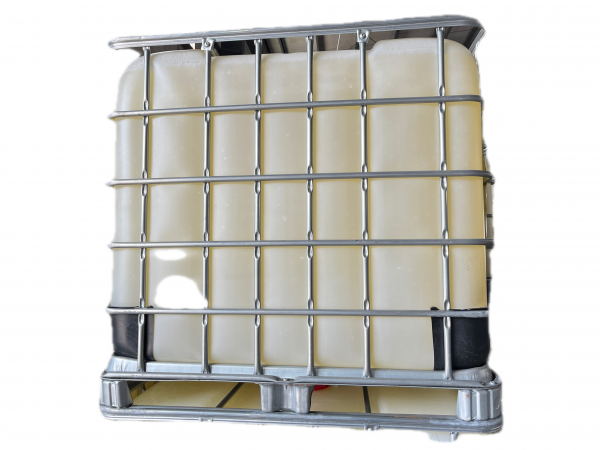
Options range from standard 170KG and 220KG drums for mid-sized mixing operations to massive 1100KG intermediate bulk containers (IBC) and high-capacity flexibags. This logistical versatility allows regional production managers to optimize their inbound freight costs and streamline their inventory management based on their specific factory storage infrastructure.
Securing a Resilient Chemical Supply Chain
Building a robust catalog of personal care and household cleaning products relies heavily on the foundational integrity of bulk raw materials. Navigating the complexities of industrial chemical synthesis, from the initial handling of ethylene oxide to the final stripping of trace impurities, requires an experienced operational partner.
Procuring these specialized anionic surfactants from highly certified facilities mitigates the risks associated with batch inconsistency and regulatory non-compliance. Manufacturing partners operating under rigorous frameworks like ISO9001 for quality management, ISO14001 for environmental standards, and ISO45001 for occupational health provide the verified traceability that modern enterprise brands demand.
Engaging directly with a technology group like Zanyu empowers chemical formulators to focus their resources on product innovation and market expansion. By leveraging formidable sulfonation infrastructure, strict analytical laboratory oversight, and diverse bulk packaging capabilities, businesses can confidently secure the critical ingredients needed to maintain highly efficient, uninterrupted production cycles.
