

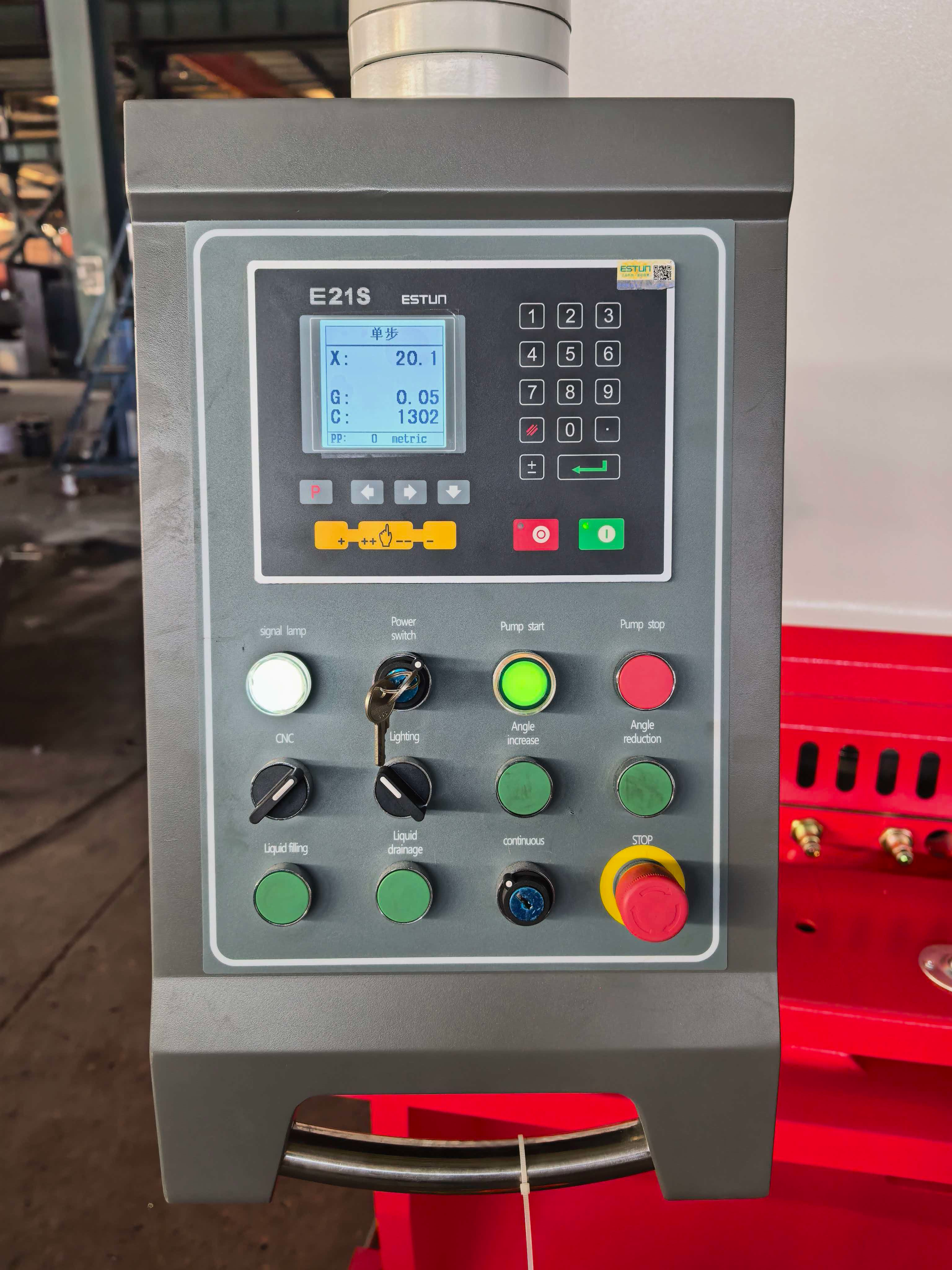
Until the cause of a stoppage is understood, a rapid response and an appropriate repair remain different things. A nearby employee may resolve a familiar setup problem quickly, while a specialist may be needed to explain an unfamiliar fault. Choosing an internal or external route for CNC machine repair depends on the task and the resources available.
Waiting time, access to tools, knowledge of the machine and responsibility for its condition all affect that choice. The comparison is therefore broader than two hourly rates. It needs to establish who can identify the problem, what work that person can undertake and who will confirm that the machine is ready to resume its normal production duties.
When the Symptom Does Not Define the Task
Although a stopped axis or interrupted cycle identifies a symptom, its cause can remain unknown. A supply interruption, a setup error and a damaged component can disrupt production while requiring different responses. Distinguishing the observed condition from its possible causes prevents a quick adjustment from being mistaken for a complete diagnosis of the underlying problem.
Inspection, cleaning and other routine CNC machine maintenance tasks follow known procedures. Repair begins with an abnormal condition whose cause may not yet be established. Completing a scheduled task does not demonstrate why production stopped, and repeating a corrective action without understanding its effect can leave the original fault unresolved even when the machine temporarily runs again.
The task also has an authorization boundary. Work described in an operator’s manual does not automatically extend to changes inside a control system or a specialist mechanical adjustment. Where warranty coverage is relevant, authorization needs to be settled before intervention changes the condition of the faulty assembly. This connects the proposed work with the person qualified and permitted to perform it.
The Practical Limits of an Internal Team
How far an internal team can investigate depends on its tools and its knowledge of the model. Access to the correct manual, fault history and suitable measurements matters as much as proximity to the machine. A technician who routinely operates a station may understand its behavior well without having the equipment or training needed to diagnose every control or mechanical problem.
For internal CNC machine repair, the decisive limit is often the point beyond which observations no longer support a reliable next step. A position error may involve setup, feedback or mechanical movement, and further investigation depends on the machine’s documented procedure.
Without that information, the team cannot identify a failed component with confidence. A positioning fault that appears only under load may require a different diagnostic test from one that occurs during an unloaded move. Recording when the error occurs gives the technician a better starting point than replacing parts on suspicion.
An escalation point keeps temporary measures from becoming an unexamined operating arrangement. Repeated recurrence, contradictory observations or a need for specialist adjustment can move the work outside local competence. Internal staff can still document the operating state and preserve useful information for an external technician, so using outside expertise does not make the plant team’s knowledge redundant.
What an External Service Assignment Includes
Diagnosis, repair, commissioning and operator instruction are different assignments, even when one service organization provides them. Colgar offers troubleshooting and repair support alongside a one-year comprehensive warranty and lifetime technical support.
Those provisions establish a support route, while the particular fault still determines the work, parts and attendance required. A warranty term alone does not define how a repair will be carried out.
Assistance from a technician working off site depends on usable observations. Fault messages, the operating conditions before the stop and the results of authorized checks can help narrow the problem.
Guidance does not physically adjust the machine, and some installation checks require access to the assembly itself. The assignment therefore needs to distinguish diagnostic guidance from work that requires attendance at the machine.
Operating manuals and hands-on training from Colgar provide a basis for dividing routine tasks from specialist work. Instruction introduces procedures and operating limits; it does not automatically authorize every repair.
Effective CNC machine maintenance depends on that distinction after the immediate fault is resolved. Long-term technical support also remains separate from the cost, timing and scope of any individual intervention.
Downtime Extends Beyond Hands-On Repair
The plant should compare the time to a safe restart for each CNC machine repair route. That estimate includes diagnosis, parts delivery, the repair and the checks before restart. Parts delivery and specialist travel can take longer than the repair itself, especially at remote sites.
The planner should check whether another station can absorb the work during the stoppage. If it cannot, the expected restart time should guide the downstream production schedule.
A request to Colgar should state the symptom, when it occurs and what the plant has already tried. That information helps the support team assess whether the plant needs remote guidance, an on-site visit or a replacement component. The maintenance plan should distinguish the technician’s arrival date from the expected restart date.
Familiar faults can stay with authorized plant personnel who have a documented procedure. A specialist should address work outside that scope. The CNC machine maintenance record should identify who verifies the repair and which checks must pass before the machine returns to production.
