

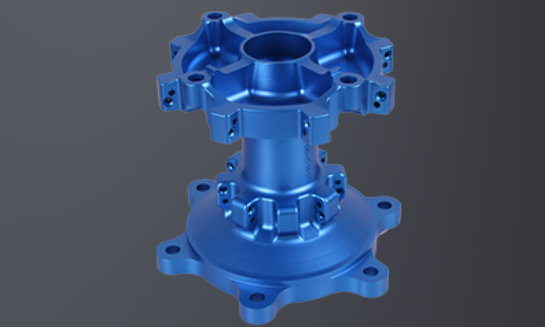
Automotive companies require CNC manufacturing partners that can provide stable quality, production consistency, and engineering support throughout different development stages. Quality management, production consistency, communication efficiency, and long-term cooperation ability all influence supplier decisions. A reliable partner needs to understand automotive requirements and provide support throughout different development and production stages.
Key Factors in Automotive Supply Chain Supplier Selection
Automotive supply chains involve strict requirements for precision, traceability, and production management. Components must match design specifications while maintaining stable quality during repeated manufacturing cycles. For this reason, companies evaluating CNC machining services often review supplier experience, process control methods, and manufacturing resources before starting cooperation.
Supplier selection is not only based on equipment availability. Automotive companies also pay attention to whether a manufacturer can support different project stages, from prototype verification to small-batch production and further manufacturing preparation. Clear communication between engineering teams and suppliers helps reduce possible issues during product development.
Another important factor is manufacturing flexibility. Automotive projects may involve different materials, structures, and surface requirements. A supplier with engineering experience can better understand these needs and provide suitable manufacturing suggestions based on actual applications.
Quality Management and Automotive Manufacturing Standards
Quality systems play an important role in automotive supplier evaluation. Vehicle manufacturers and component companies usually require suppliers to follow structured quality management processes. These systems help monitor production conditions, manage inspection procedures, and maintain consistency throughout manufacturing operations.
Certification is also an important reference when companies assess potential partners. Honpe has obtained IATF 16949 certification, which reflects their attention to automotive-related quality management requirements. Their production processes are organized around standardized procedures to support customers requiring controlled manufacturing environments.
For automotive projects, quality management also involves detailed inspection and process records. Suppliers need to understand dimensional requirements, material conditions, and production specifications. These factors help companies maintain stable supply chains and reduce unexpected adjustments during manufacturing.
Why IATF 16949 Matters for Automotive Suppliers
IATF 16949 is a quality management standard designed for the automotive industry. It focuses on process control, risk management, continuous improvement, and customer-specific requirements. For automotive companies, working with suppliers familiar with this standard can simplify cooperation and improve production communication.
A manufacturing partner with automotive quality experience understands the importance of consistency across repeated orders. In automotive production, even small variations may affect assembly processes or product performance. Therefore, suppliers need to combine technical capability with systematic quality practices.
When companies compare automotive CNC machining services, they often review whether the supplier has experience managing automotive expectations. Beyond machining accuracy, factors such as documentation, inspection methods, and production organization also influence supplier decisions.
Production Stability and Batch Manufacturing Capability
Automotive companies usually require suppliers that can maintain stable production over time. A supplier may successfully complete a prototype project, but mass production requires different capabilities. Production planning, workforce organization, and process management all affect whether a manufacturer can support continuous orders.
Honpe operates with a large professional workforce and manufacturing resources that support different project requirements. This capability helps them manage projects that require consistent production arrangements.
For companies searching for manufacturing partners, stable delivery performance is an important consideration. A supplier needs to balance production capacity with quality control to support long-term cooperation. This is especially important in automotive industries where supply interruptions may influence wider production schedules.
Engineering Support beyond Manufacturing
Automotive suppliers often participate in product development before production begins. Engineering communication during this stage can help identify manufacturing challenges related to structure, material selection, and surface treatment. A partner with development experience can provide practical feedback before production decisions are finalized.
They have a research and development centre that supports prototype improvement and manufacturing process development. Their team can cooperate with customers during different stages, including prototype creation, design review, and production preparation. This approach allows automotive companies to connect engineering ideas with practical manufacturing conditions.
In addition to CNC capabilities, surface treatment is also an important part of prototype evaluation. They provide customized finishing solutions, including manual craftsmanship for hand-finished prototype models. Their dedicated leather and protective cover processing area also supports projects requiring special surface materials.
Long-Term Cooperation in Automotive Manufacturing
Automotive companies usually prefer suppliers that can build stable relationships rather than only complete individual projects. Long-term cooperation requires reliable communication, continuous improvement, and the ability to adapt to changing project requirements.
A manufacturing partner with experience across different industries can provide broader support during product development and production stages. Honpe has worked with international customers from various sectors, including companies with established manufacturing systems. Their cooperation experience helps them understand different expectations for quality, timing, and technical communication.
The selection of a CNC supplier is therefore a comprehensive evaluation process. Companies need to consider manufacturing capability, quality systems, engineering support, and cooperation experience together. These factors influence whether a supplier can become a suitable part of an automotive supply chain.
Building Reliable Automotive Manufacturing Partnerships
Choosing the right CNC manufacturing partner requires attention to quality standards, production stability, and long-term cooperation potential. Automotive companies are not only looking for machining suppliers but also partners who understand their development and manufacturing requirements.
Through structured quality management, engineering support, and customized manufacturing capabilities, Honpe provides support for industrial customers seeking reliable production cooperation. Their experience shows how suppliers can contribute to automotive projects through coordinated processes and practical manufacturing solutions. For companies evaluating CNC machining services, selecting a partner with comprehensive capabilities can support smoother product development and manufacturing planning.
In the future, automotive supply chains will continue to value suppliers that combine manufacturing knowledge with consistent service capabilities. A suitable partner can help companies manage production requirements while maintaining communication throughout different project stages. When businesses review automotive CNC machining services providers, factors such as quality systems, production experience, and cooperation ability remain important considerations.
